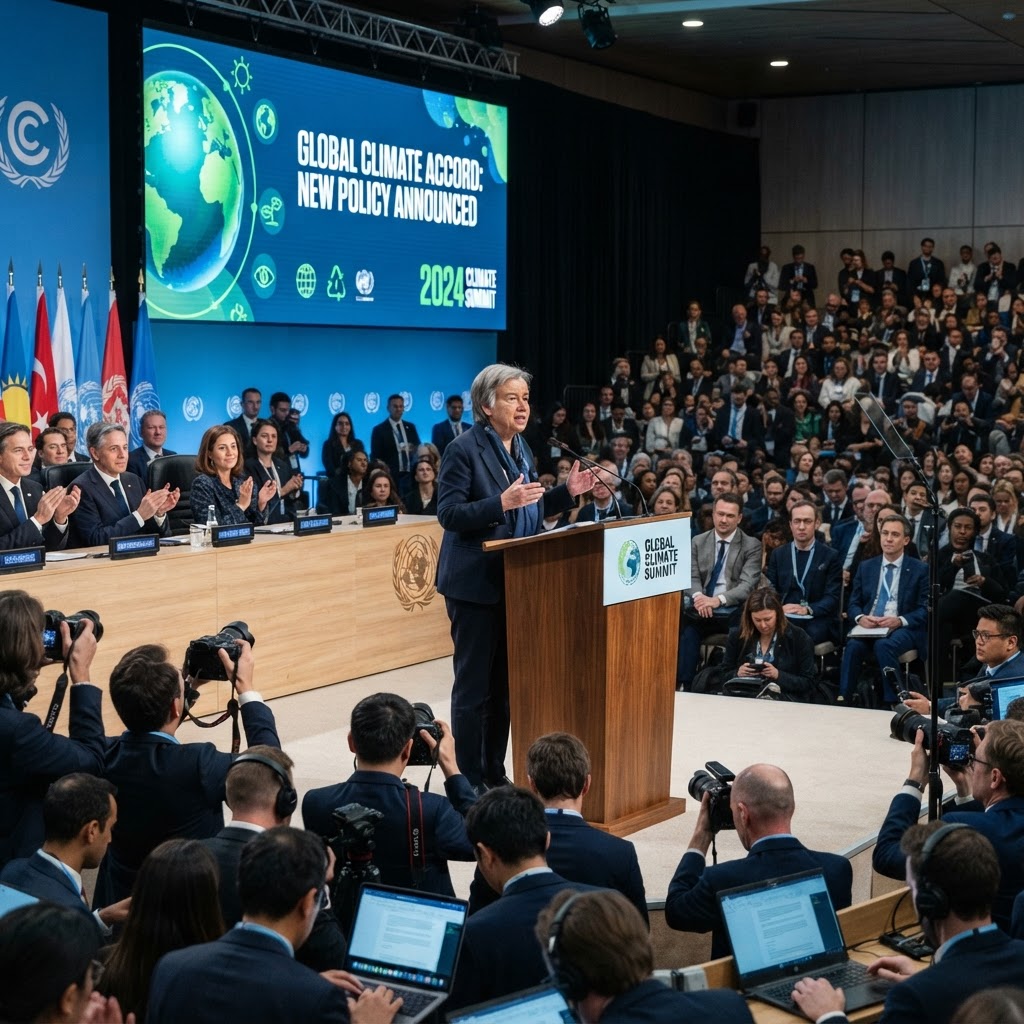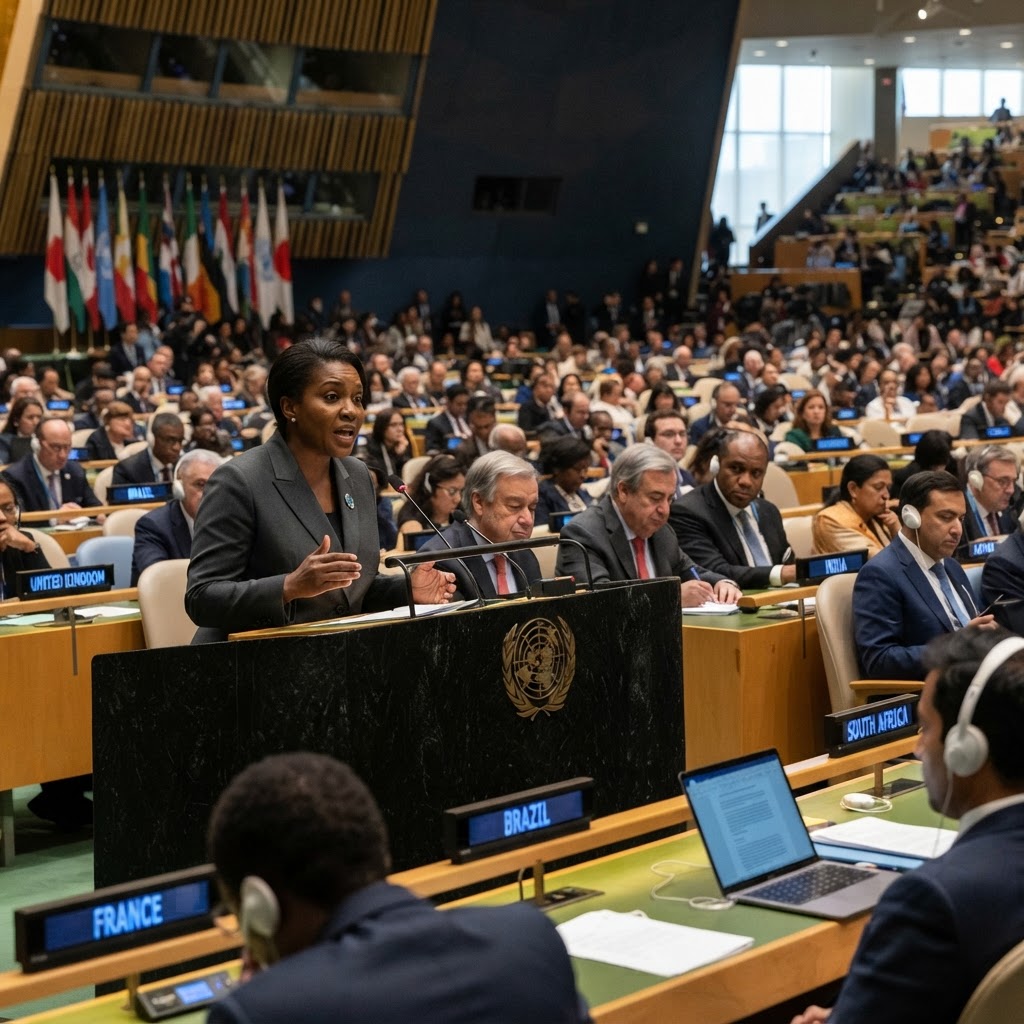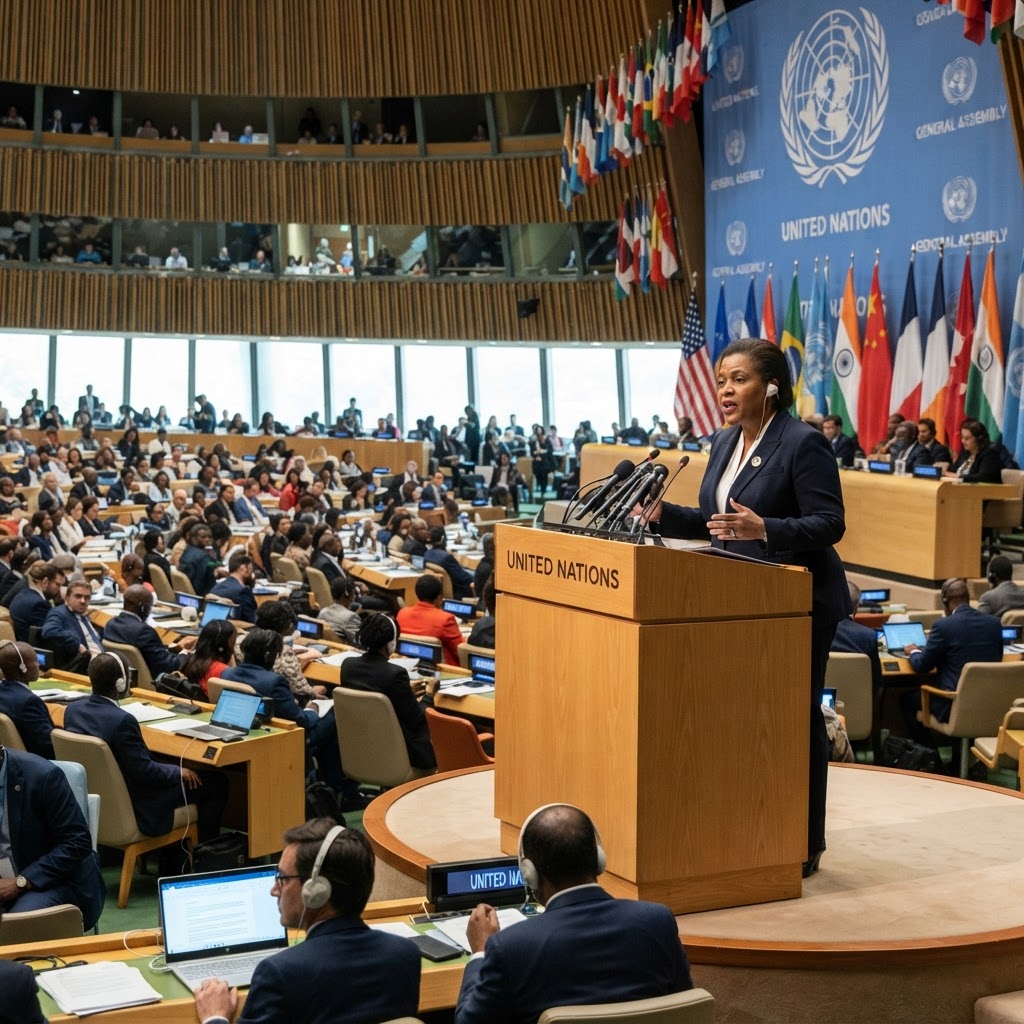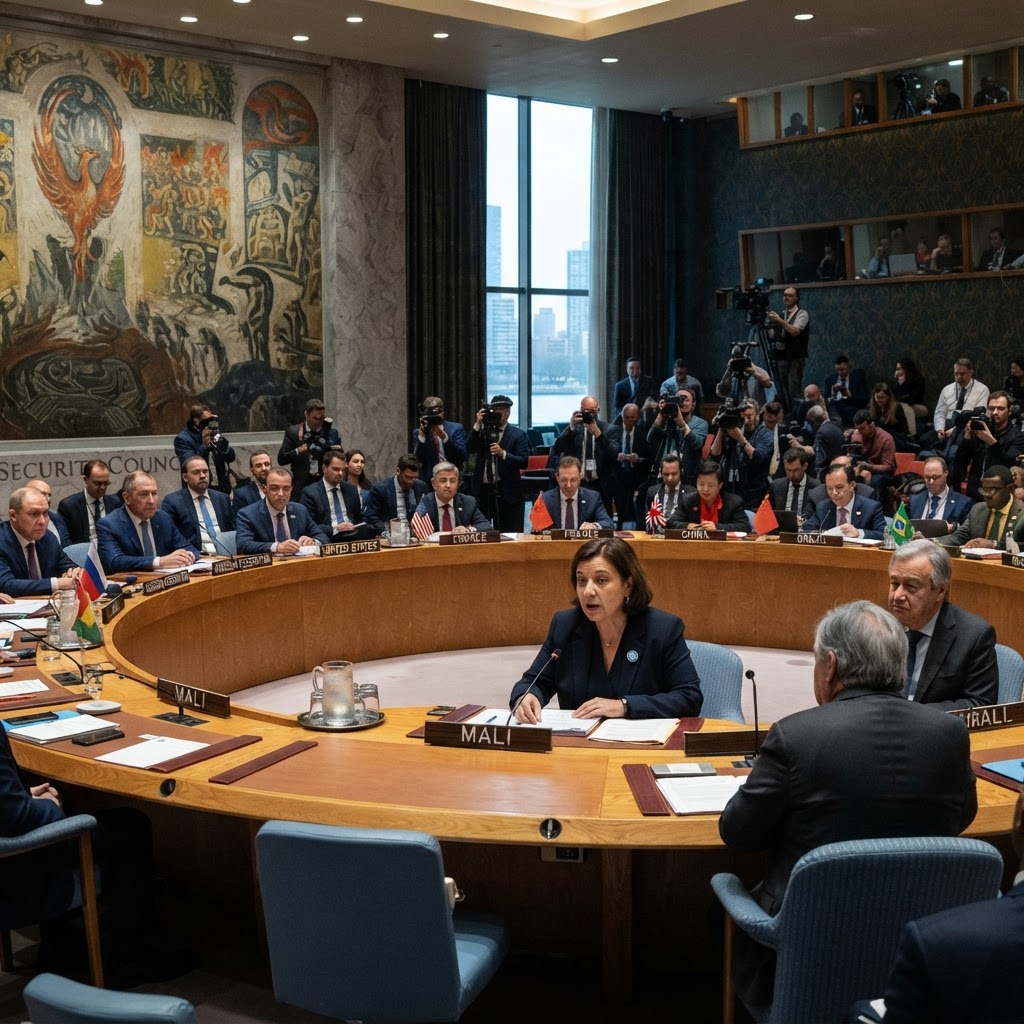
The United Nations Security Council convened an emergency session at its headquarters in New York this week to address the volatile escalation of a regional conflict that threatens to destabilize neighboring territories and disrupt international commerce. Amid mounting civilian casualties and the breakdown of previously mediated ceasefires, the fifteen-member body engaged in contentious deliberations aimed at establishing an immediate cessation of hostilities and securing unhindered humanitarian access.
The meeting commenced with a solemn briefing from senior officials within the United Nations Department of Political and Peacebuilding Affairs. Representatives outlined a rapidly deteriorating security environment characterized by cross-border skirmishes, asymmetric attacks on vital civilian infrastructure, and the mass displacement of vulnerable populations. International monitoring groups have raised the alarm over what they characterize as severe breaches of international humanitarian law, calling for an independent inquiry into the violence that has gripped border communities over the preceding weeks.
Diplomatic tension was palpable inside the council chamber, reflecting the deep geopolitical fractures that have repeatedly hampered concerted multilateral action in recent years. The permanent five members—the United States, the United Kingdom, France, the Russian Federation, and China—demonstrated starkly divergent priorities regarding the root causes of the confrontation and the appropriate mechanisms for de-escalation. While Western delegations pushed for robust language condemning non-state actors and targeted incursions, other members emphasized sovereignty concerns and warned against external interference that could aggravate local animosities.
Advertisement

The United States and European allies advocated for a binding resolution that would impose stringent sanctions, arms embargoes, and financial penalties on parties actively obstructing peace efforts. Envoys representing these nations highlighted intelligence reports suggesting that regional proxies have funneled sophisticated weaponry into the conflict zone, dramatically amplifying the lethality of the fighting. Their argument centered on the doctrine of collective security, asserting that inaction would signal impunity to revisionist forces seeking to alter established boundaries through sheer force.
Conversely, opposing factions argued that coercive measures would only entrench belligerents and exacerbate the plight of civilian populations already suffering under severe economic strain. Their interventions called for an unconditional return to bilateral dialogue facilitated by regional multilateral organizations, such as the African Union or the Arab League, rather than prescriptive mandates handed down from New York. These diplomats contended that past precedent demonstrates that externally imposed solutions rarely hold without broad buy-in from local community leaders and regional powers directly invested in the neighborhood's long-term stability.
Beyond the geopolitical maneuvering, the humanitarian toll formed the core of presentations delivered by the United Nations Office for the Coordination of Humanitarian Affairs (OCHA). Aid agencies on the ground report an acute crisis marked by severe shortages of potable water, surgical supplies, and staple food reserves. Logistical corridors remain either blocked by active combat or impassable due to deliberately compromised transport links. Humanitarian coordinators urged the Security Council to depoliticize the corridor negotiations, arguing that thousands of trapped civilians have been transformed into strategic leverage by warring factions.
Regional stakeholders presented testimonies that underscored the contagion risk posed to the broader geopolitical theater. Bordering nations have already absorbed an influx of tens of thousands of refugees, stretching host-community resources to the brink and fueling domestic socio-economic strain. Representatives of neighboring states delivered impassioned pleas to the chamber, warning that without a coherent and enforced stabilization plan, the power vacuum could be easily exploited by transnational extremist networks seeking to expand illicit supply lines and recruitment networks.
Economic analysts tracking the crisis observe that the fallout extends well beyond localized borders. The theater of conflict sits adjacent to crucial maritime navigation lanes and regional transit nodes, prompting commercial shipping operators and international insurers to reassess security risk premiums. The resulting redirection of commercial cargo vessels has added significant shipping delays and operational costs, reverberating through global supply chains already vulnerable to macroeconomic shocks. Energy markets have similarly reacted with acute volatility, pricing in the risk of supply disruptions should regional pipeline infrastructure sustain structural damage.
Civil society observers and international legal scholars have expressed skepticism regarding the Security Council's ability to transcend its chronic structural gridlock. The recurrent deployment of the veto power has often reduced high-stakes council debates to rhetorical posturing rather than operative statecraft. Observers point out that the inability of the council to forge consensus risks further eroding the institutional credibility of the United Nations as the premier guarantor of global peace and security, thereby encouraging state and non-state actors alike to settle disputes through kinetic engagement rather than structured diplomacy.
Despite the prevailing divisions, working-level negotiators worked behind closed doors late into the evening, attempting to draft a compromise presidential statement. Unlike formal resolutions, presidential statements require complete unanimity among council members, often necessitating the dilution of targeted language in favor of broad, non-binding appeals for restraint. Negotiators focused on establishing humanitarian pauses of finite duration, designed to permit the evacuation of wounded non-combatants and facilitate the delivery of emergency aid convoys under the protection of international monitors.
The role of regional mediators has emerged as a potential bridge across the multilateral impasse. Envoys from several non-aligned nations have engaged in shuttle diplomacy, attempting to secure baseline security guarantees from key leadership factions on both sides of the front lines. These regional frameworks prioritize confidence-building measures, such as the phased release of captured personnel and the establishment of local deconfliction communications hotlines, before tackling intractable issues regarding disputed territories, constitutional reforms, and resource-sharing arrangements.
As the session drew to an interim close, the council requested the Secretary-General to prepare an exhaustive assessment of options for a prospective UN observation mission, should a durable ceasefire eventually materialize. While this contingency planning suggests that the international community is preparing for the day after active hostilities cease, the immediate reality remains fraught with peril. The conflicting imperatives between national self-interest, historical animosities, and the overarching mandate to preserve human life continue to test the limits of multilateral diplomacy in an increasingly fractured world order.