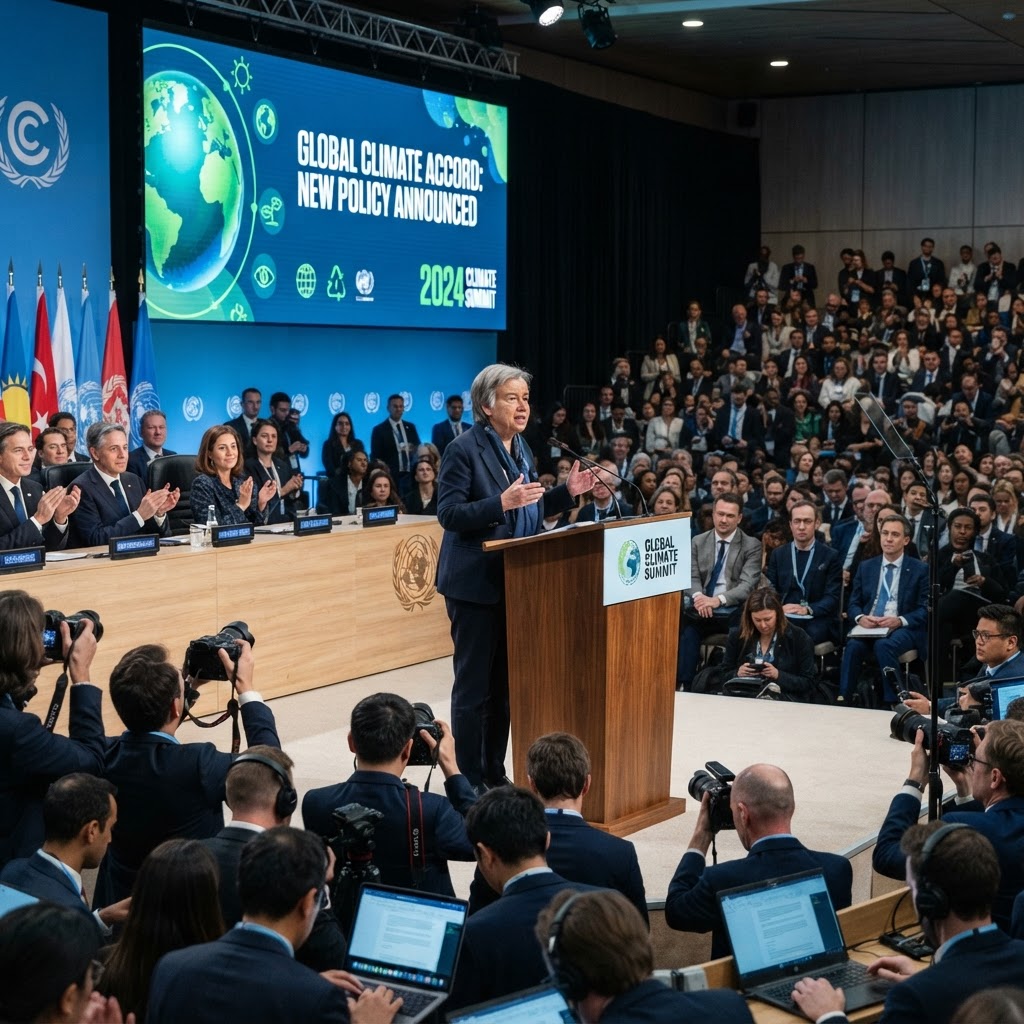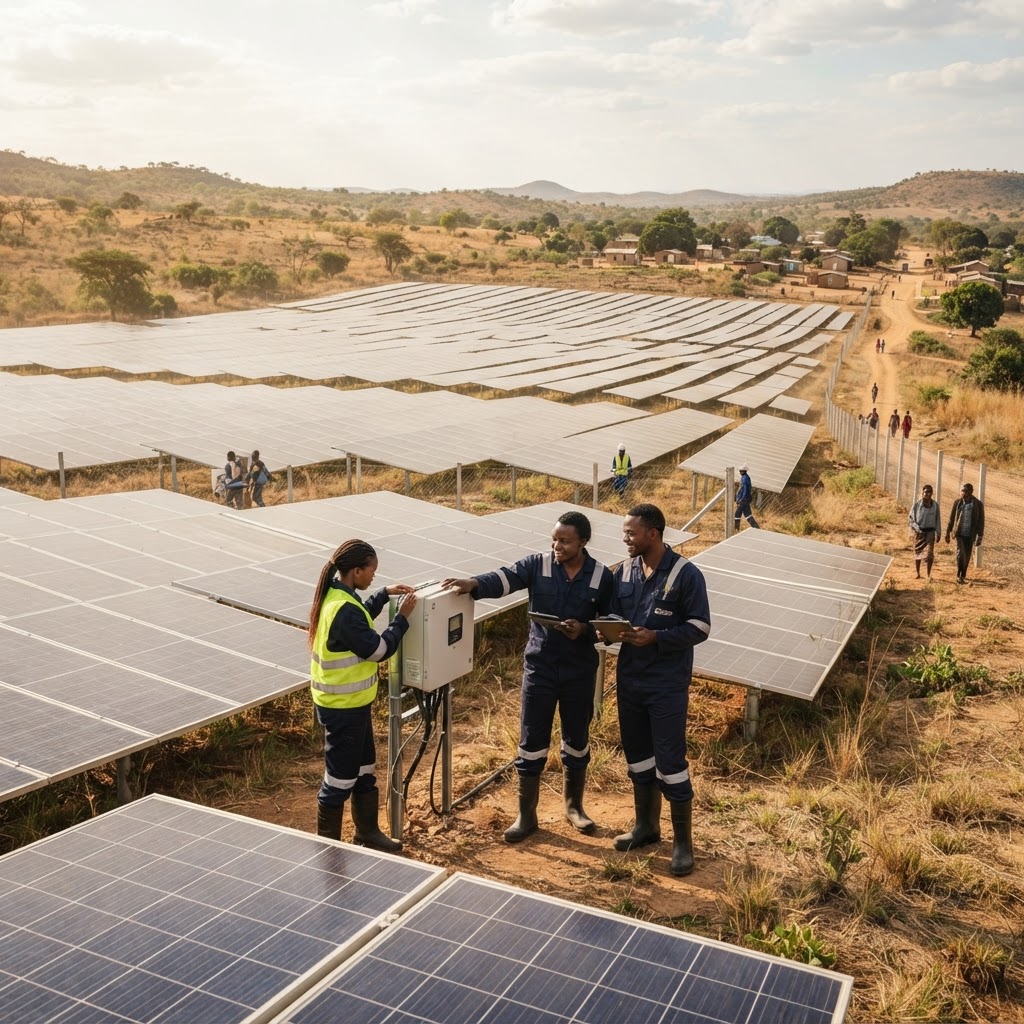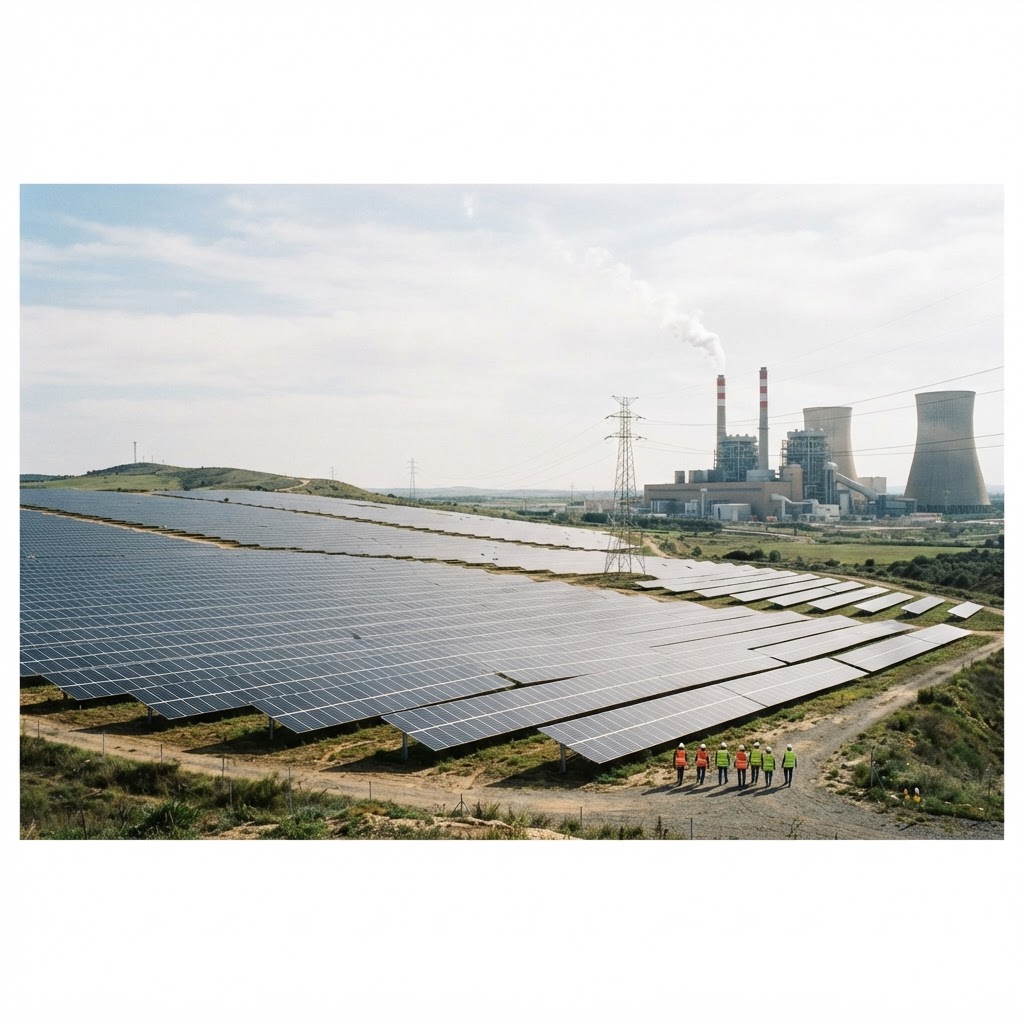
A historic milestone in the global transition toward sustainable power has been achieved: renewable energy has officially become cheaper to deploy and operate than fossil fuels on a worldwide scale. Decades of technological innovation, massive capital investment, and supportive policy frameworks have converged to drive the levelized cost of energy (LCOE) for wind, solar, and battery storage below that of coal, oil, and natural gas. What was once dismissed as a niche, subsidized alternative to conventional power generation is now the undisputed economic frontrunner. Energy producers, industrial consumers, and utility grids across the globe are increasingly discovering that decarbonization is no longer a burdensome environmental concession, but a compelling, bottom-line imperative that outcompetes the volatile economics of traditional hydrocarbons.
The Mathematical Reality of the Levelized Cost of Energy
The definitive metric tracking this market shift is the Levelized Cost of Energy (LCOE), an analytical tool that accounts for the complete lifecycle costs of an electricity-generating asset, including capital expenditure, financing, operation, maintenance, and fuel supply. For decades, fossil fuels held a decisive advantage due to mature infrastructure, established supply chains, and extensive governmental subsidies. However, the economics of energy generation have undergone an unprecedented transformation.
Unlike coal or combined-cycle gas turbine plants, solar photovoltaic systems and onshore wind turbines have zero fuel costs. Once the physical infrastructure is in place, the primary operational expenses are limited to routine maintenance, digital monitoring, and occasional component replacement. Over the past fifteen years, the levelized cost of utility-scale solar photovoltaic generation has plummeted by nearly 90%, while onshore wind has seen cost reductions exceeding 70%. Consequently, building brand-new solar arrays or onshore wind installations is now substantially cheaper than simply keeping existing, fully amortized coal or gas facilities running in most major economies, including China, India, the United States, and across the European Union.
Advertisement

"We have reached a definitive tipping point where clean power is not merely comparable to fossil fuels; it is systematically undercutting them on price, speed of deployment, and risk profile. Capital markets are voting with their wallets."
Supply Chain Scaling, Modular Design, and Manufacturing Maturity
The rapid descent down the cost curve is primarily driven by the principles of modular industrial manufacturing and learning curves, often described through Wright’s Law. Whereas nuclear, coal, and gas facilities represent massive, bespoke engineering endeavors prone to bureaucratic delays and cost overruns, solar modules and wind turbine parts are standardized, mass-manufactured components.
Massive economies of scale have taken root, particularly across East Asia, North America, and Europe. Factory automation, improved silicon wafer slicing techniques, and advancements in cell architecture—such as TOPCon and perovskite-tandem configurations—have dramatically raised power conversion efficiencies while driving down manufacturing costs per watt. Similarly, wind energy has benefited from aerodynamic blade innovations, digital twin modeling, and larger nacelle capacities, enabling offshore and onshore turbines to capture kinetic energy at lower wind speeds with elevated capacity factors.
- Solar Photovoltaics: Massive silicon production capacity and multi-junction engineering have compressed capital costs per megawatt to unprecedented lows.
- Onshore and Offshore Wind: Taller hub heights, larger sweep areas, and predictive analytics have maximized generation efficiency and minimized unscheduled downtime.
- Battery Energy Storage Systems (BESS): Utility-scale lithium-iron-phosphate (LFP) installations are experiencing rapid price reductions, unlocking economical intra-day dispatchability.
- Standardized Deployment: Pre-engineered, modular systems have shortened construction timelines from years to months, sharply reducing financing expenses and interest overhead.
Geopolitical Dynamics and Commodity Volatility
Beyond standard industrial learning curves, the structural instability of global fossil fuel markets has accelerated this comparative advantage. Hydrocarbon commodities are subject to geopolitical friction, supply bottlenecks, transport choke points, and market manipulation. The energy crises of recent years—precipitated by territorial conflicts, export restrictions, and regional instability—demonstrated the extreme fiscal risks associated with structural dependence on imported coal and liquefied natural gas (LNG).
For energy-importing nations, investing in domestic renewable energy infrastructure functions as both an economic shield and a national security strategy. Sun and wind represent sovereign natural resources that cannot be embargoed, intercepted at maritime straits, or inflated by global cartel decisions. By decoupling wholesale electricity rates from volatile global commodity markets, industrial enterprises and national treasuries can establish fixed, long-term power purchase agreements (PPAs), providing the fiscal certainty necessary for long-range capital planning.
Grid Modernization and the Intermittency Challenge
While renewables now hold a decisive cost advantage at the generation level, integrating variable generation profiles into aging electricity grids presents a complex technical challenge. Critics have historically argued that the intermittent nature of solar and wind requires expensive, continuous fossil fuel backup, thereby negating real-world cost benefits. However, modern grid architectures and storage innovations are actively dismantling this limitation.
The rapid proliferation of four-to-eight-hour utility-scale battery energy storage systems (BESS) is allowing grid operators to engage in effective energy arbitrage—storing excess midday solar and nighttime wind power to dispatch during peak evening demand. Furthermore, the integration of advanced artificial intelligence, dynamic line rating, and automated demand-response protocols allows transmission networks to handle fluctuating load profiles with increased resilience. High-voltage direct current (HVDC) transmission lines are also expanding, enabling the long-distance transmission of electricity from geographically advantageous generation hubs, such as desert solar parks and offshore wind corridors, to dense urban consumption centers with minimal transmission losses.
Economic Ripples Across the Corporate Landscape
The realization that renewable power is the cheaper path forward is profoundly shifting private sector behavior. Global institutional investors, sovereign wealth funds, and corporate conglomerates are dramatically altering their capital allocation strategies. Where clean power was once treated as an elective Corporate Social Responsibility (CSR) endeavor, it is now driven by corporate procurement departments seeking to lower operating expenditures.
Multinational technology companies, heavy manufacturing industries, and chemical conglomerates are signing record volumes of long-term renewable power purchase agreements. For energy-intensive sectors, access to low-cost electricity directly impacts competitive advantage and operational margins. Consequently, regions offering abundant, cheap renewable electricity are rapidly attracting high-value industrial developments, including green hydrogen production hubs, advanced semiconductor fabrication facilities, and hyperscale artificial intelligence data centers.
Future Outlook and Systemic Transformation
Looking ahead, the economic divergence between renewable energy and fossil fuels is projected to widen even further. Hydrocarbon extraction faces escalating geological complexity, higher exploration costs, and growing legal and environmental liabilities. Concurrently, renewable technologies remain firmly planted on descending cost trajectories, bolstered by continuous materials science breakthroughs, expanding circular recycling economies, and deepening domestic supply chains.
The primary bottlenecks to a fully decarbonized energy paradigm are no longer technological viability or raw economic competitiveness. Instead, the focus has shifted toward regulatory modernization, bureaucratic permitting timelines, supply chain diversification for critical minerals, and the urgent necessity of global grid infrastructure refurbishment. Governments and regulators that move quickly to eliminate permitting gridlocks and invest in transmission capabilities will secure lower industrial energy costs and attract massive international investment. The economic verdict is settled: renewable energy is the most cost-effective, financially sound, and scalable energy generation source in modern history, marking the irreversible dawn of a post-fossil fuel global economy.