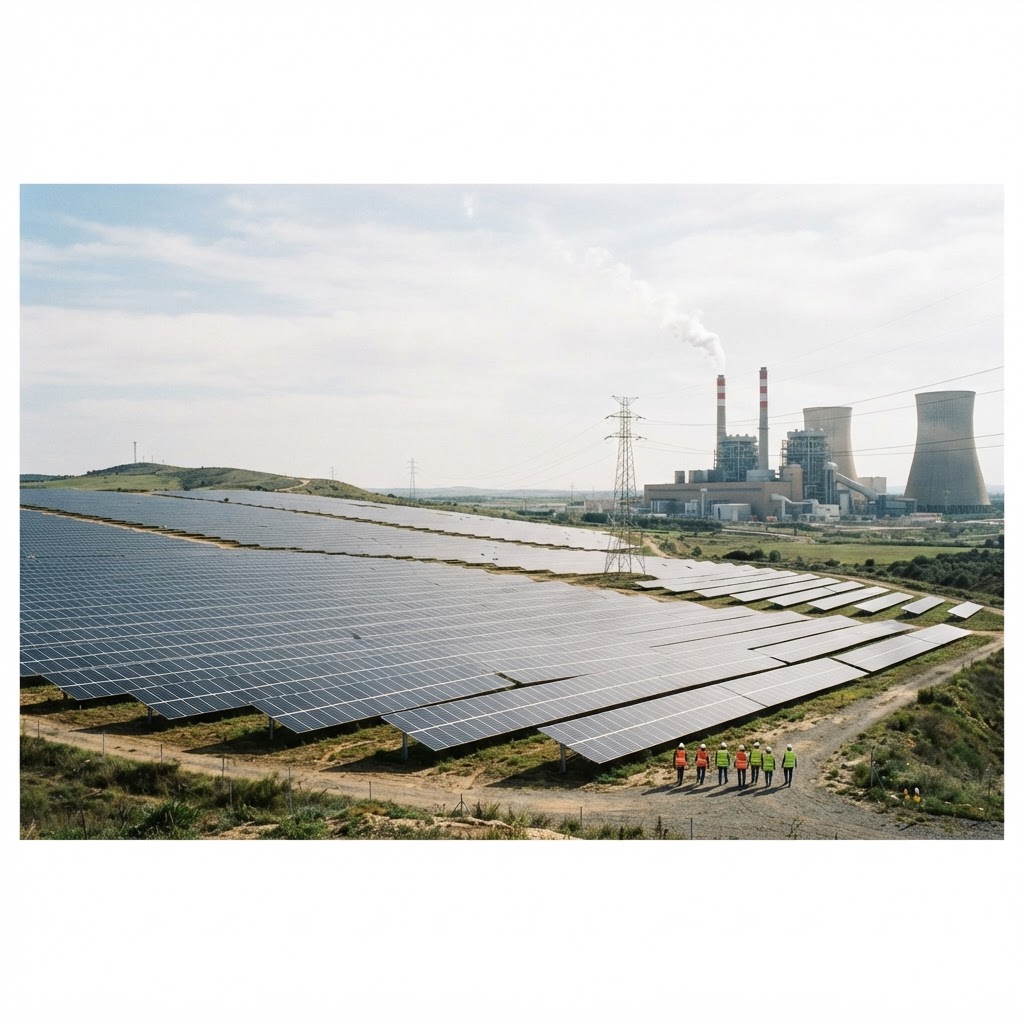
A momentous transformation is currently sweeping across the international energy landscape as renewable electricity generation surges at an unprecedented tempo. According to landmark data detailed by the International Renewable Energy Agency (IRENA), global renewable power capacity expanded by an unprecedented 585 gigawatts (GW) in 2024 alone, achieving a historic milestone of 4,448 GW worldwide. This extraordinary expansion represents an annual capacity growth rate of 15.1 percent, eclipsing previous benchmarks and ensuring that sustainable generation technologies accounted for an astonishing 92.5 percent of all net power capacity added to electrical grids across the globe. Propelled by steep cost reductions in solar photovoltaic manufacturing, resilient wind power installations, forward-looking governmental mandates, and vast private sector capital commitments, clean energy has transitioned definitively from a niche climate mitigation mechanism into the primary foundation of modern industrial expansion.
The repercussions of this epochal shift extend far beyond emissions statistics, directly redefining geopolitical dynamics, public health, macroeconomics, and cross-border industrial competition. In decades past, conventional energy analysts regularly dismissed non-hydro renewables as intermittent and financially unfeasible alternatives suited solely for heavily subsidised boutique demonstration projects. Today, the reality could not be more stark: renewable generation consistently outcompetes conventional thermal power on cost alone in almost every significant commercial market. The rapid decentralisation of generation has empowered regional municipalities, democratised power access for historically neglected populations, and decoupled baseline national gross domestic product expansion from carbon emissions spikes.
Yet beneath these record-breaking headlines lies an escalating operational complexity that policymakers, grid operators, and infrastructure investors must navigate urgently. While clean power capacity figures reach historic heights, the distribution of this growth remains acutely imbalanced, dominated by heavy industrial powerhouses across East Asia, North America, and Western Europe, while developing economies continue to confront high capital hurdles. Furthermore, the variability of solar and wind generation demands an immediate, capital-intensive redesign of legacy transmission grids, the broad deployment of multi-hour battery storage solutions, and modernized market rules to prevent curtailment. Understanding the scale, architecture, and systemic implications of this clean energy boom is essential for international stakeholders seeking to reconcile accelerated economic development with irreversible climate commitments.
Advertisement

Background and Context
The journey toward the current boom represents the culmination of more than five decades of deliberate technological trial, industrial policy evolution, and fluctuating regulatory frameworks. The initial modern impetus for renewable alternatives began during the oil embargoes and price shocks of the 1970s, which exposed the intense geopolitical and economic vulnerability of nations wholly dependent upon foreign fossil fuels. Early research initiatives focused primarily on rudimentary solar cells, concentrated solar designs, and experimental onshore wind prototypes, but prohibitive levelised costs and early component failure rates confined these technologies to aerospace applications, isolated marine navigation aids, and fringe off-grid settings. Throughout the 1980s and 1990s, intermittent public funding and fossil fuel price fluctuations produced volatile boom-and-bust cycles that regularly curtailed manufacturing continuity.
A structural turning point emerged at the start of the twenty-first century when several visionary governments instituted structured feed-in tariffs and statutory renewable portfolio standards. Landmark legislation, notably Germany’s Renewable Energy Sources Act (EEG) in 2000, guaranteed clean electricity producers long-term grid access at fixed prices, generating a predictable commercial market that justified substantial capital expenditures in manufacturing capacity. This regulatory stability catalyzed the emergence of commercial-scale supply chains, encouraging equipment manufacturers to refine crystalline silicon processing, scale module dimensions, and engineer taller, more aerodynamically efficient wind turbines. Concurrently, competitive auctions began to supplant fixed feed-in regimes across Europe and emerging markets, systematically driving down bids and accelerating technological maturity.
The second fundamental catalyst was the entry of East Asian industrial manufacturing at an unprecedented scale, particularly across China during the 2010s. By prioritising the domestic fabrication of photovoltaic wafers, cells, and wind components through targeted infrastructure subsidies and vertical integration, industrial hubs radically altered global pricing curves. According to reports by the United Nations, the levelised cost of electricity generated by utility-scale solar photovoltaic arrays plunged by nearly 90 percent over a single decade, while onshore wind costs fell by over 60 percent. Consequently, clean energy shed its historical reliance on public fiscal subsidies, transforming into the cheapest source of new bulk electricity generation in most regions and setting the stage for the explosive adoption witnessed today.
Key Developments
The contemporary expansion of renewable technologies has broken virtually every historical operational threshold. According to verified figures from IRENA’s Renewable Capacity Statistics, solar photovoltaic deployment served as the primary locomotive for new generation, expanding by 32.2 percent within a single year and adding nearly 452 GW to reach 1,865 GW globally. Together, solar and wind installations represented 96.6 percent of all net renewable additions worldwide. This relentless deployment pushed the aggregate share of renewables in total installed global generation capacity to an impressive 46.4 percent, a swift rise driven both by record clean additions and the large-scale retirement of aging, uneconomic coal-fired and natural gas facilities across mature economies.
Concurrently, the International Energy Agency’s detailed analyses in their Renewables 2024 Report emphasize how structural shifts in utility procurement have turbocharged deployment. Competitive renewable energy auctions experienced record bidding activity, awarding over 82 GW in the opening half of 2024 alone, led by aggressive procurement mandates throughout India and Germany. The implementation of robust industrial strategies—such as the United States Inflation Reduction Act, the European Union Net-Zero Industry Act, and expansive provincial capacity quotas across China—has integrated energy independence goals directly into core macroeconomic and trade policy agendas. Major drivers of this unprecedented expansion include:
- Plummeting Technology Capital Expenditures: The global weighted average levelised cost of electricity for new solar photovoltaics dropped an additional 12 percent year-on-year, reinforcing its status as the most affordable unsubsidised power source globally.
- Expansion of Distributed Generation: High retail retail utility bills driven by volatile hydrocarbon markets accelerated the adoption of commercial, industrial, and residential rooftop solar arrays, diversifying power supplies.
- Rapid Battery Storage Integration: The commercial maturation of utility-scale lithium-iron-phosphate (LFP) energy storage allowed developers to bundle variable renewable generation with fast-dispatch firm capacity.
- Intensified Corporate Clean Energy Procurement: Global enterprise sustainability targets and surging power demands from enterprise data centers and artificial intelligence workloads stimulated multi-gigawatt direct Power Purchase Agreements (PPAs).
Expert Analysis and Perspectives
Leading environmental economists and systems analysts argue that the renewable transition has entered an irreversible market-driven phase where economic fundamentals, rather than pure regulatory mandates, dictate capital flows. Financial analysts frequently note that commercial institutional lenders now view legacy thermal generation as carrying significant stranded asset risks. The International Renewable Energy Agency has frequently underscored that this transition creates a vital bulwark against unpredictable external market shocks, reducing systemic inflationary pressures tied to fossil commodity volatility while fostering long-term industrial competitiveness across emerging and established markets alike.
"Renewable technologies have unequivocally won the economic argument; they represent the cheapest, fastest-deploying, and most resilient power sources available today. However, the true challenge of this decade is no longer generation cost, but rather the rapid expansion of modern grid infrastructure and regulatory modernization necessary to absorb variable generation without catastrophic curtailment."
Nevertheless, independent observers express persistent apprehension regarding the extreme geographic concentration of new asset deployment. Comprehensive reviews from the World Economic Forum reveal that the G20 economies accounted for over 90 percent of all clean capacity installed in 2024, with China alone driving the vast majority of Asian expansion. Conversely, the African continent captured less than one percent of new additions, adding a mere 4.2 GW across 54 nations despite holding some of the highest solar irradiance potential on Earth. High capital costs and macroeconomic risk premiums continue to penalise emerging economies, starving regional developers of vital debt financing.
"We are witnessing a profound paradox where the regions possessing the greatest geographic potential and the most urgent human development needs remain severely constrained by the international cost of capital. Unless multilateral development institutions de-risk regional investments, the global clean transition risks entrenching severe international inequality."
Technical experts also caution that achieving the international consensus target to triple global renewable power capacity by 2030—an objective formalised at COP28—requires an immediate acceleration in annual deployment rates from 15.1 percent to at least 16.6 percent. System operators emphasize that the integration of hundreds of gigawatts of non-synchronous inverter-based generation introduces profound engineering challenges, necessitating synchronous condensers, advanced grid-forming inverters, and long-duration storage assets to preserve grid frequency stability and voltage support during extreme operational conditions.
"Adding pure generation nameplate capacity without simultaneously reinforcing transmission corridors and dynamic flexibility mechanisms is an incomplete engineering strategy. Modern grids require comprehensive structural flexibility, robust interconnections, and responsive market pricing to ensure renewable energy reliably displaces baseload emissions."
Impact and Implications
The macroscopic implications of this worldwide clean energy acceleration are transforming communities, environmental ecosystems, and industrial value chains across continents. From an environmental standpoint, the displacement of thermal coal and heavy fuel oil plants is delivering immediate improvements in ambient air quality across major industrial basins. According to data published by the United Nations Environmental Programme, cutting down atmospheric air pollution through renewable energy adoption could save the global economy up to $4.2 trillion annually by 2030 in avoided public healthcare expenditures, chronic respiratory morbidity costs, and environmental remediation burdens.
Economically, the renewable transition is stimulating vibrant domestic employment hubs while challenging legacy hydrocarbon extraction sectors. Clean energy manufacturing, assembly, civil engineering, and plant operations have emerged as vital employment engines, employing millions of skilled technicians, electricians, and engineers worldwide. However, this transition poses significant socio-economic challenges for communities whose municipal tax revenues and domestic livelihoods depend on fossil extraction. Regions historically reliant on coal mining or oil field maintenance face economic displacement if regional transition initiatives, retargeted public retraining programs, and clean industrial zoning are not proactively deployed to replace vanished tax bases.
Furthermore, the physical dynamics of renewable deployment are instigating profound changes in rural land tenure, spatial planning, and industrial architecture. Megawatt-scale solar parks and sprawling onshore wind farms require extensive geographic footprints compared to compact fossil facilities, generating occasional conflicts over agricultural land access, biodiversity conservation, and local visual amenities. These dynamics have spurred innovative dual-use strategies, including agrivoltaics—combining elevated photovoltaic panels with shade-tolerant agricultural crops or sheep grazing—and commercial offshore floating wind farms, which minimize land disputes while maximizing operational capacity factors.
Reactions from the Diaspora Community
As the international transition accelerates, global diaspora communities are mobilizing to ensure that clean energy expansion actively reaches and revitalizes their ancestral homelands. Historically, diaspora capital flowed primarily through informal family remittances intended for immediate household subsistence, food security, and primary education. Today, highly educated diaspora professionals, engineers, and financial analysts are pivoting toward structured collective impact investments. Diaspora investment networks across Europe, North America, and the Gulf are collaborating with regional utility operators to fund distributed solar microgrids, off-grid battery systems, and community solar installations across rural localities throughout South Asia, sub-Saharan Africa, and the Caribbean basin.
These diaspora networks are playing an indispensable role in transferring advanced technical expertise, modern regulatory methodologies, and cross-border project finance structures to emerging domestic markets. Expatriate engineers and clean tech founders frequently establish specialized local enterprises to build resilient municipal mini-grids capable of shielding local communities from chronic national grid outages. Moreover, diaspora advocacy groups maintain continuous diplomatic dialogue with multilateral development banks, urging structural reforms that can mitigate sovereign currency exchange risks and enable international diaspora bonds dedicated to regional renewable infrastructure expansion.
Looking Ahead: What Comes Next
Over the coming decade, the trajectory of the global clean energy transition will be determined by how effectively industries, governments, and municipal stakeholders solve key infrastructural, commercial, and engineering bottlenecks. While the manufacturing capacity for solar photovoltaic panels and wind turbines is projected to exceed near-term demand, physical grid integration remains the primary choke point worldwide. Millions of megawatts of proposed clean energy projects currently sit stalled in complex interconnection queues across North America and Europe, waiting for transmission line upgrades, environmental easements, and substation expansions. Key developments to monitor closely over the next five years include:
- Mass Deployment of Grid-Scale Storage: The commercialization of multi-day and long-duration storage technologies, including advanced sodium-ion batteries, flow batteries, and gravity-based mechanical storage, to balance seasonal generation deficits.
- Transmission Supergrids and HVDC Corridors: Accelerated construction of high-voltage direct-current (HVDC) terrestrial and subsea transmission lines designed to transport remote desert solar and offshore wind generation directly into dense urban consumption centers.
- Industrial Clean Energy Electrification: Expanding adoption of renewable power within hard-to-abate heavy industries, replacing fossil-based process heating with industrial heat pumps and low-emission electric arc furnaces.
- Critical Mineral Supply Chain Resiliency: Heightened international focus on securing, diversifying, and responsibly recycling essential transition materials, including copper, lithium, nickel, and rare earth elements, to prevent severe component supply disruptions.
Additionally, geopolitical tensions and protective trade policies will continue to influence clean technology supply lines. As major economic blocs pursue domestic manufacturing independence, tariffs, local content rules, and industrial subsidies may alter the pricing trajectory of key components. Balancing national economic security priorities with the imperative for rapid, low-cost equipment deployment will require skillful regulatory and diplomatic balance by international trade authorities and environmental ministries.
Conclusion
The global acceleration of renewable energy adoption marks a decisive inflection point in human industrial history, demonstrating that modern economic prosperity and climate stewardship can align harmoniously through innovation, competitive markets, and committed policy direction. The achievement of 585 GW of new capacity in a single year confirms that the technological foundation for a decarbonized global power system is technically proven and economically advantageous. Moving forward, the true measure of success will not rest solely on aggregate generation milestones, but on the international community's capacity to build modern, flexible grids, de-risk clean capital in neglected emerging markets, and ensure an equitable, resilient transition that leaves no society behind.