Introduction and Overview
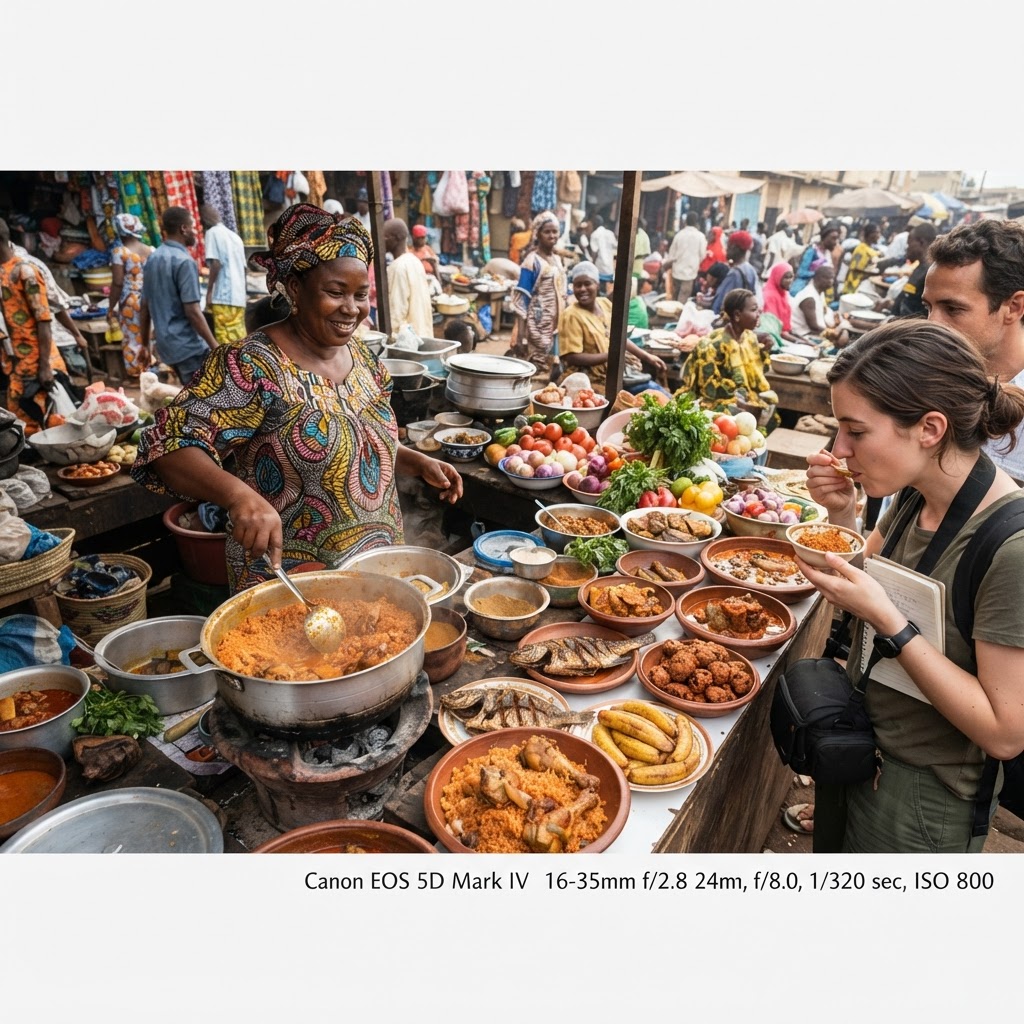
African gastronomy is experiencing an unprecedented cultural and commercial renaissance, capturing the imagination of international diners, industry analysts, and Michelin inspectors alike. For generations, the profound richness of the continent's distinct regional traditions remained obscured behind monolithic generalizations or confined within immigrant communities far from the mainstream gastronomic spotlight. Today, a powerful convergence of diaspora advocacy, pioneering culinary entrepreneurs, and sophisticated agricultural supply chains has elevated African cooking from a hidden gem into one of the most vibrant forces in modern dining.
From the fermented flatbreads of the Horn of Africa to the intensely savory stews of the Gulf of Guinea and the complex aromatic tagines of the Maghreb, the continent represents a mosaic of distinct culinary philosophies. Diners across global culinary capitals like London, New York, Paris, and Dubai are increasingly seeking out signature flavors that celebrate indigenous grains, heirloom tubers, and time-honored preservation methods. This expanding appetite is not merely a passing lifestyle trend; it represents a comprehensive recalibration of how global food culture values African culinary heritage and intellectual property.
The cultural significance of this movement cannot be overstated, as food serves as a living archive of heritage, trade routes, resilience, and identity. Through centuries of transatlantic displacement, colonialism, and voluntary migration, African cooking techniques and staple crops laid the indispensable foundation for global cuisines, from Southern American soul food to Caribbean jerk and Latin American feijoada. Modern food consumers are finally acknowledging this historical continuum, recognizing that embracing African food culture means honoring both ancestral foundations and groundbreaking contemporary artistry.
Advertisement

Furthermore, the global ascendancy of African gastronomy intersects with urgent worldwide discussions surrounding sustainability, climate resilience, and nutritional diversity. Many indigenous African staple crops—such as nutrient-dense fonio, teff, sorghum, and drought-resistant cowpeas—possess extraordinary environmental benefits that appeal directly to conscious consumers. As global food systems struggle against climate instability and monoculture vulnerabilities, the traditional agricultural and culinary knowledge systems of Africa offer tested blueprints for a more durable, equitable, and delicious future.
Background and Context
To understand the breadth of African cuisine today requires examining centuries of internal trade, agricultural innovation, and international exchange that shaped the African continent. Long before European colonization, complex trans-Saharan trade caravans, Indian Ocean maritime routes, and regional agricultural developments flourished, creating sophisticated local food cultures. Indigenous ancient grains like teff in Ethiopia, sorghum across the Sahel, and African rice (Oryza glaberrima) along the upper Niger River supported vibrant civilizations with distinct methods of fermentation, open-fire roasting, and sun-curing.
The forced dispersion of African peoples through the transatlantic slave trade profoundly restructured global food systems, dispersing indigenous African seeds and culinary techniques across the Americas and the Caribbean. Enslaved Africans braided seeds of okra, benne (sesame), cowpeas, and rice into their hair as acts of preservation and survival during the Middle Passage, reshaping agricultural landscapes in Brazil, the American South, and the West Indies. As historical research from The Diaspora Collective documents, foundational dishes like gumbo—derived directly from the Bantu term ki ngombo for okra—and Brazilian vatapá trace their direct ancestry to traditional West and Central African culinary practices.
During the colonial era, European administrative powers systematically undervalued indigenous crops in favor of cash-crop export agriculture such as cacao, rubber, and coffee, disrupting traditional local diets and culinary prestige. Despite this subjugation, domestic cooks, home kitchen keepers, and bustling market vendors preserved heirloom recipes, regional spices, and indigenous knowledge across generations. The post-independence era witnessed an initial period of culinary reclamation, but international fine dining institutions long remained stubbornly eurocentric, cataloging African food under broad, exoticized labels that erased nuanced regional differences.
In recent years, archival scholarship and culinary history have bridged the gap between ancestral heritage and modern food anthropology. Culinary researchers, cultural institutions, and food writers have thoroughly dismantled outdated narratives, proving that the modern global culinary pantry owes its existence to African biodiversity and ingenuity. Today's recognition is built upon this firm historical bedrock, ensuring that contemporary celebrations of jollof rice, egusi, injera, and tagine are contextualized by the profound historical resilience of the peoples who created them.
Key Developments
The contemporary African food movement has entered a phase of remarkable structural maturity, transitioning from niche novelty to robust institutional and commercial scale. Market intelligence platforms, including Tastewise, note that while broad, generic discussions have stabilized, consumer and foodservice adoption has migrated toward highly specific ingredients, culinary formats, and flavor profiles. Across hospitality datasets, thousands of forward-thinking restaurants worldwide have incorporated distinct African flavor cues into their core menus, signaling a profound shift in consumer expectations.
One of the most defining breakthroughs has been the establishment of dedicated high-profile African dining spaces and retail platforms across major international hubs. Landmark projects such as Alkebulan, the curated African dining hall conceptualized by James Beard Award-winning chef Alexander Smalls, have established permanent operational homes in global crossroads such as Expo City Dubai and major Western metropolitan centers. These venues aggregate diverse regional kitchens—from West African street foods to East African coastal seafood and South African braai smokehouses—providing high visibility and commercial platforms for African hospitality operators.
Simultaneously, traditional African spice blends and indigenous superfoods have experienced unprecedented explosive growth within retail packaged goods and specialty grocery sectors. According to contemporary food trend analytics, flavor profiles and ancient staple crops with deep African correlation have surged across consumer search queries and new product launches:
- Berbere and Peri Peri: Fermented and sun-dried Ethiopian spice blends alongside fiery peri peri chilis have driven triple-digit market growth in high-end grilling rubs, compound butters, and poultry marinades.
- Indigenous Ancient Grains: Fonio and teff have surged across mainstream supermarket shelves as high-protein, gluten-free, drought-resistant climate champions that outshine conventional grains.
- Specialty Seasonings and Condiments: Traditional essentials like Ghanaian shito pepper sauce, Nigerian suya spice, and North African chermoula have penetrated international condiment aisles and fast-casual grain bowl menus.
- Specialty Terroirs: Single-origin African coffees from Ethiopia, Kenya, and Rwanda continue commanding record premiums on international auction tables through traceable cooperative frameworks.
In the digital realm, viral social media competitions—most notably the affectionate, enduring West African "Jollof Wars" between Ghana, Nigeria, and Senegal—have introduced millions of young global viewers to culinary debates and heritage pride. Food creators, digital recipe developers, and streaming cooking shows have brought authentic preparation techniques into domestic kitchens, removing intimidating barriers to entry. This digital visibility has created immediate retail demand, prompting major grocery chains to stock palm oils, plantain flours, and regional spice blends in primary aisles.
Expert Analysis and Perspectives
Culinary historians, professional chefs, and hospitality leaders emphasize that the global expansion of African cuisine represents a fundamental reimagining of gastronomic authority. For decades, Western culinary paradigms established French and Mediterranean techniques as the universal baseline for high dining. Industry leaders argue that the current wave of African culinary innovation finally treats indigenous techniques—such as extensive lactic fermentation, clay-pot slow braising, and indigenous oil layering—with the prestige and critical nuance they inherently deserve.
"Alkebulan was designed to celebrate the food of the African diaspora, bringing African food into the contemporary culinary conversation. We are looking at the innovators and bringing them to another level." — Alexander Smalls, Acclaimed Chef and Founder of Alkebulan
Agricultural economists and food scientists also point out the vital ecological intersection represented by the adoption of African heritage ingredients. Research highlighted across professional platforms like the Institute of Food Technologists illustrates how climate change is forcing food systems toward ancient African crops that require minimal water and zero synthetic fertilizers. Experts affirm that African agricultural wisdom is uniquely positioned to solve twenty-first-century food security vulnerabilities while delivering profound flavor profiles to global dining rooms.
"African food traditions have shaped global cuisine through centuries of cultural exchange, migration, and adaptation. Honoring the origin of these flavors is essential for establishing an equitable global culinary landscape." — Culinary Heritage Research Collective
Hospitality business consultants stress that the commercial viability of African dining concepts has surpassed initial industry projections. The success of modern operators relies on refusing to compromise spice profiles or modify traditional flavors for a generic palate. Instead, diners actively demand uncompromising authenticity, seeking out complex, deeply layered, and bold flavor experiences that tell honest, unvarnished stories about their regional roots.
"The growing popularity of dishes like jollof rice, originating from Senegal but popular across much of West Africa, reflects the global appreciation for the distinctive and bold flavours of African cuisine." — TGP International Industry Report
Furthermore, social scientists observe that food sovereignty and economic equity remain central to this culinary narrative. When global food conglomerates commercialize regional crops like fonio, moringa, or shea, the intellectual and financial capital must flow back to indigenous farming communities. Leading chefs and cooperatives have taken aggressive steps to construct ethical supply chains that protect local agriculturalists, ensuring that international prestige translates into direct community empowerment.
Impact and Implications
The burgeoning embrace of African cuisine carries profound implications that reverberate far beyond dining rooms, sparking measurable transformation across agricultural markets, culinary education, and international trade policy. In farming regions throughout Sub-Saharan Africa, growing export demand for ancient grains, heirloom chilis, and sustainable tree nuts is strengthening local economies. By linking rural smallholders directly to fair-trade commercial supply networks, these culinary movements provide sustained economic stability for thousands of multi-generational farming families.
The institutional hospitality sector is similarly undergoing a structural transformation. Elite culinary academies in North America and Western Europe, which historically omitted African traditions from standard curricula, are beginning to formalize modules on West African flavor building, North African spicing techniques, and pan-African fermentation. Young chefs entering the industry are now exposed to indigenous starches like cassava, yam, and plantain not as exotic side notes, but as masterclass components of culinary heritage and culinary execution.
Moreover, the retail food industry has experienced a wave of entrepreneurship led by African-descended founders who are launching consumer packaged goods companies. These enterprises are disrupting traditional snack, condiment, and ready-to-eat segments with high-quality, attractively packaged products:
- Sauce and Condiment Disruption: Artisanal bottled shito, peri peri hot sauces, and berbere marinades are taking prime shelf real estate away from legacy hot sauces.
- Health and Wellness Integration: Baobab fruit powder, moringa teas, and hibiscus-based beverages (zobo, bissap, sorrel) are captured as premium, antioxidant-packed functional foods.
- Snack Innovation: Gourmet vacuum-fried spiced plantain crisps, seasoned roasted cassava chips, and egusi-infused crackers are redefining healthy everyday snacking.
- Ready-Meal Accessibility: High-end frozen meal solutions featuring authentic slow-cooked stews and seasoned grain bowls are democratizing access to complex African home cooking.
This economic momentum is also sparking significant gastro-tourism growth across Africa. Food lovers, critics, and culinary enthusiasts are journeying to epicenters such as Accra, Lagos, Dakar, Nairobi, and Cape Town specifically to immerse themselves in regional foodways. This surge in experiential travel creates strong multiplier effects, benefiting local tour operators, artisanal food markets, boutique hotels, and regional restaurant ecosystems.
Reactions from the Diaspora Community
Within the global African diaspora—a vibrant community numbering over 200 million people worldwide—the ascendance of African gastronomy is celebrated as a deeply emotional moment of cultural vindication. For decades, first-generation immigrants and their children often experienced social alienation or childhood embarrassment surrounding the pungent, distinct aromas of their traditional home-cooked meals. Seeing these very same aromas revered in world-class culinary publications and celebrated by mainstream diners represents profound validation and overdue respect.
Diasporic social clubs, neighborhood associations, and online collectives have rallied to support immigrant-owned restaurants and independent food purveyors. These community organizations emphasize that food serves as an unbroken cord connecting displaced populations back to ancestral homelands. Community elders take pride in passing down regional recipes to younger generations who are revitalizing ancestral staples through contemporary culinary techniques, creating a resilient bridge across generations.
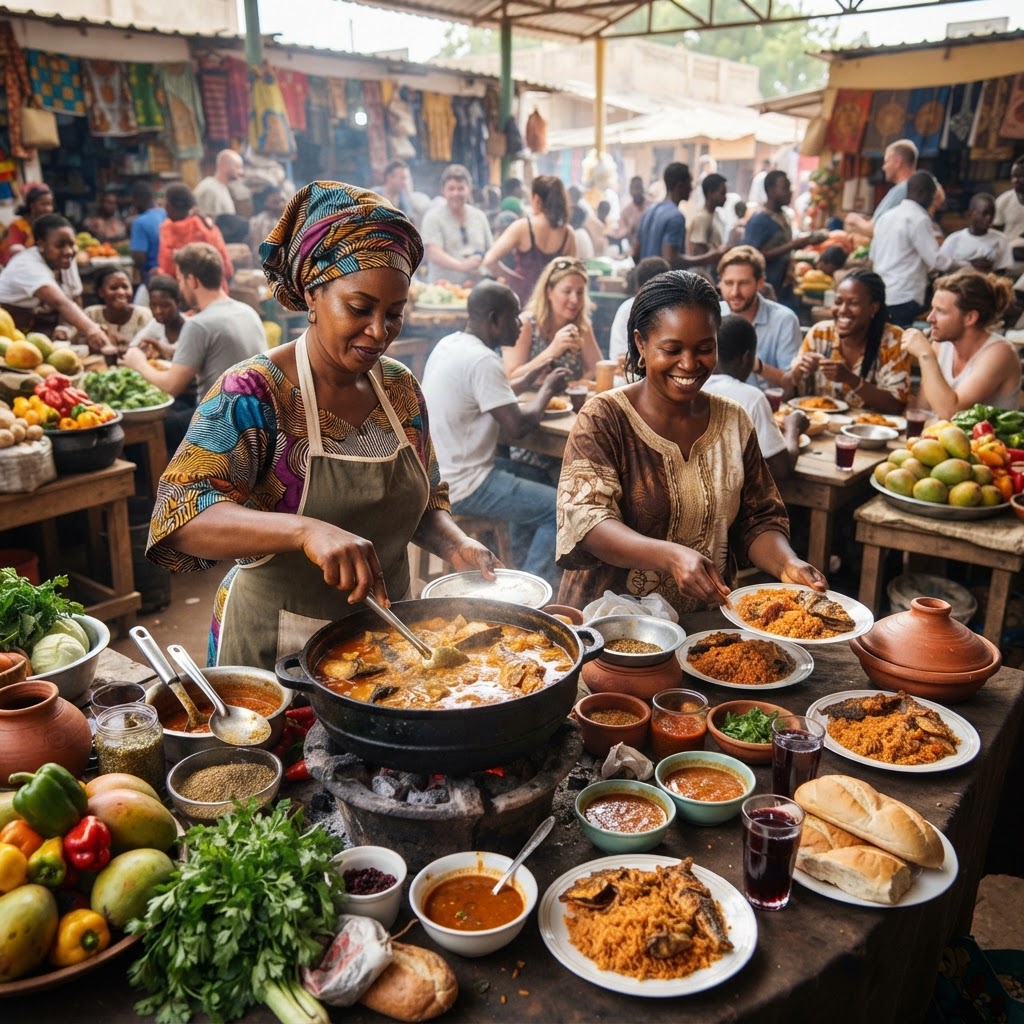
Moreover, diaspora chefs in cities like London, Atlanta, Toronto, and Paris view their restaurants as cultural embassies that foster empathy, dialogue, and mutual understanding. By welcoming diverse neighborhoods to share large communal platters of injera, break fufu together, or debate the nuance of pepper soup, food dissolves barriers between varied immigrant communities and broader local populations. The modern table has become a space for profound cultural diplomacy, mutual hospitality, and deep shared respect.
Looking Ahead: What Comes Next
As African cuisine cements its position on the international culinary stage, the coming decade will be shaped by increased regional specificity and technological innovation in food supply networks. Industry observers predict that the umbrella term "African cuisine" will continue to disaggregate into recognized micro-regional cuisines. Diners will increasingly differentiate between coastal Senegalese seafood preparations, Nigerian Igbo specialties, Ethiopian Christian fasting menus, and the Dutch-Malay-Bantu fusions of South African Cape Malay cooking.
Technological innovations in agritech and cold-chain logistics will enable smallholder farmers across Africa to ship fragile, fresh heirloom ingredients directly to international markets without quality deterioration. Direct-to-consumer digital channels and fair-trade cooperatives are set to expand, allowing consumers in London or Tokyo to purchase traceable, ethically sourced spice blends directly from women-led farming collectives in West Africa or Rwanda. This supply-chain democratization ensures that traditional producers capture fair market value from the global craze.
Additionally, the intersection of modern culinary science with African fermentation and preservation techniques will open thrilling frontiers in fine dining. Ambitious young African chefs are opening test kitchens and research laboratories dedicated to mapping the microbiology of indigenous fermentations, such as dawadawa (fermented locust beans) and ogiri (fermented melon seeds). These scientific explorations promise to yield savory, umami-dense seasonings that could rival traditional soy sauces and misos across global professional kitchens.
Conclusion
The global journey of African cuisine is not merely an ephemeral lifestyle development; it represents the long-overdue restoration of an essential pillar of human culinary history. From its deep roots in ancient agricultural civilizations to its enduring resilience across centuries of migration, the continent's foodways have continually enriched the global palate. Today's dynamic combination of cultural pride, chef-driven innovation, and sustainable agriculture has created an undeniable culinary movement that commands respect, admiration, and enthusiasm.
As the international culinary landscape expands to embrace authentic regional African foods, it invites all diners to experience meals that are profoundly flavorful, deeply nutritious, and steeped in rich storytelling. The vibrant flavors of jollof rice, earthy warmth of berbere, and comforting textures of ancient grains are permanently weaving themselves into the collective fabric of global food culture. In celebrating African culinary traditions, the modern world honors the resilience, creativity, and enduring warmth of communities that have shared their tables and hearts across generations.