In what international observers and cultural historians are heralding as a transformative milestone for global arts preservation, the formal unveiling of the Grand African Heritage Pavilion marks a profound turning point in the celebration and interrogation of continental history. Emerging after nearly a decade of rigorous cross-border planning, complex architectural engineering, and spirited civic dialogue, the state-of-the-art cultural institution opens its doors with an overarching mission: to offer an authentic, multifaceted narrative of African civilization, ingenuity, and contemporary creative expression, all curated entirely on the continent’s own terms.
The monumental facility stands as a structural testament to both ancestral reverence and forward-thinking sustainability. Spanning thousands of square meters, the museum’s architectural profile draws direct inspiration from the earthen ramparts of historical West African fortifications and the intricate geometric precision long evident in Great Zimbabwe’s masonry. Engineered to minimize ecological disruption while maximizing natural climate control, the pavilion seamlessly bridges the deep aesthetic lineages of antiquity with the urgent environmental realities of the twenty-first century. Within its walls, curated spaces integrate tactile historical reliquaries alongside immersive virtual installations, providing visitors with an experiential continuum that spans millennia.
For decades, scholars, artists, and political leaders have observed with mounting frustration that the world’s most comprehensive collections of African material culture were housed in metropolitan centers far removed from the communities that birthed them. Institutions in London, Paris, Berlin, and Brussels have served as the de facto repositories of ancestral artifacts, acquired largely during the height of colonial expansion through punitive expeditions, asymmetrical bartering, and outright plunder. The debut of this new institutional anchor dramatically upends that historical geography, establishing an authoritative continental center capable of housing, conserving, and showcasing the highest echelons of cultural heritage.
Advertisement

At the center of this dialogue is the accelerating global movement surrounding restitution and provenance research. The leadership of the new institution has articulated a vigorous agenda aimed at repatriating sacred ancestral treasures, royal regalia, and ceremonial implements. Backed by cutting-edge conservation laboratories and international-grade archival facilities, the institution effectively dismantles the long-standing paternalistic assertion that African nations lack the technical infrastructure required to preserve their own historical output. Collaborative negotiations are already underway with various Western institutions to coordinate the permanent transfer of thousands of objects, fundamentally altering the terms of global museology.
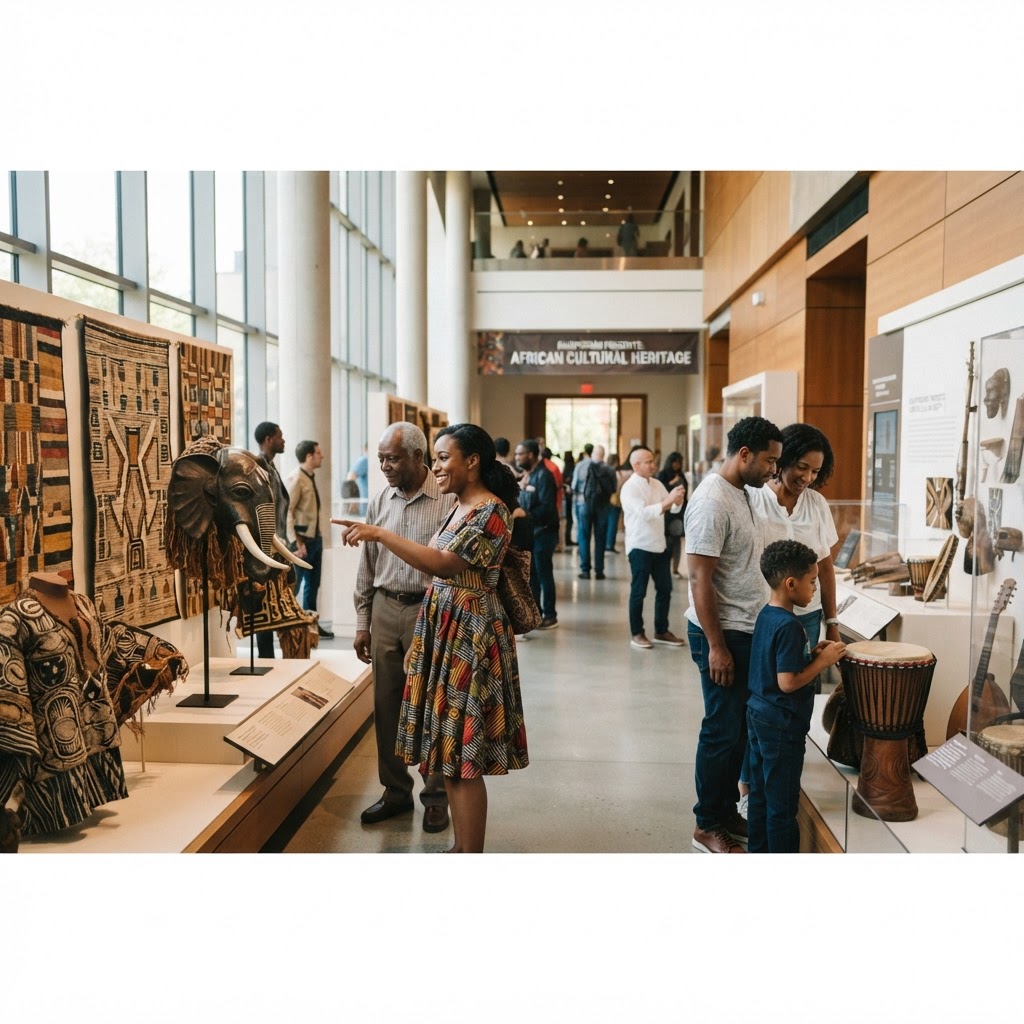
The inaugural permanent exhibition offers an expansive thematic trajectory across human history. The opening galleries foreground the continent's foundational status as the cradle of humanity, utilizing paleontological fossils and ancient stone tools to ground visitors in our shared evolutionary origins. Moving through the centuries, the presentation expands into the golden eras of classical African statehood. Visitors encounter the sophisticated ironworking traditions of the Nok culture, the gold-laden economic architecture of the medieval Mali Empire, the mathematical brilliance embedded in ancient Nubian astronomical observatories, and the complex diplomatic networks forged by the Kingdom of Aksum.
Crucially, the curation rigorously resists the historical tendency to portray pre-colonial Africa as an idyllic, static, or monolithic space. Exhibits critically examine internal tensions, mercantile shifts, and the devastating, fractured legacy left in the wake of the Transatlantic and Trans-Saharan slave trades. Through personal testimonials, fragmented ledgers, and poignant artistic reactions from the global African diaspora, the pavilion provides a space of solemn remembrance, unvarnished historical reconciliation, and educational accountability.
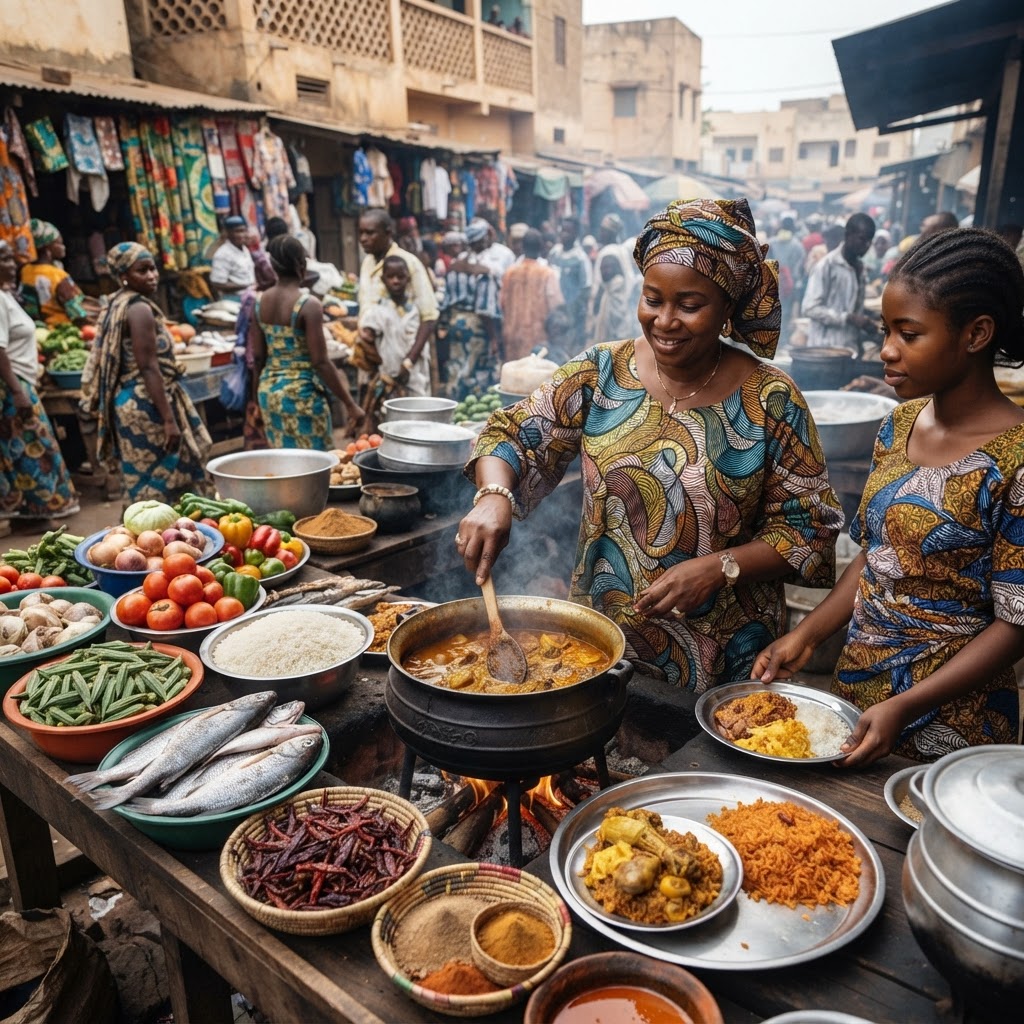
The transition into the twentieth and twenty-first centuries captures the seismic cultural energy of anti-colonial resistance, pan-African solidarity movements, and the subsequent explosion of contemporary African arts. Curators have placed equal emphasis on visual art, auditory landscapes, culinary histories, and oral literatures. Expansive galleries celebrate the rhythmic lineage stretching from ancestral talking drums to the global dominance of contemporary Afrobeats and amapiano, demonstrating that cultural preservation is not merely a rearward-looking archive of stone and parchment, but an evolving, breathing modern phenomenon.
Stakeholders across the continent and throughout the global diaspora have responded to the opening with widespread acclaim. Independent curators and cultural analysts stress that the museum’s educational mandate must remain accessible to the broadest possible public. In response, administrative directors have implemented ambitious community engagement initiatives, ensuring that local school systems, rural youth, and university researchers can engage directly with the collections through subsidized programming and localized regional digital outreach. The space has been deliberately conceived not as an insular temple for an elite intelligentsia, but as an active civic forum where contemporary debates about national identity, pan-African unity, and future governance can be openly addressed.
The opening also signals major economic implications for the regional cultural tourism ecosystem. By establishing a premier cultural beacon of international stature, organizers anticipate drawing scholars, diasporic travelers, and cultural tourists from every corner of the globe. Surrounding districts are already witnessing an influx of entrepreneurial investments, from specialized boutique publishing houses and independent artisan collectives to hospitality enterprises designed around local, sustainable methodologies. This cross-sector vitality reinforces the reality that investment in cultural infrastructure yields deep economic and social dividends that extend far beyond initial ticket sales.
Looking ahead, the museum has established an international research institute embedded directly within the complex. This dynamic center will host international visiting scholars, train the next generation of African conservationists and archivists, and lead innovative digital-repatriation projects aimed at mapping displaced heritage items globally. By pioneering high-resolution digital scanning alongside intensive community-based contextualization, researchers intend to make cultural knowledge globally available even while physical restitution talks navigate prolonged diplomatic channels.
As the Grand African Heritage Pavilion welcomes its inaugural cohort of visitors, the atmosphere is defined by profound pride, restorative justice, and unbounded creative optimism. After centuries characterized by cultural fragmentation, erasure, and paternalistic display in distant capitals, the narrative of African human achievement is firmly returning home. In chronicling the extraordinary breadth of human resilience, intellectual inquiry, and artistic brilliance that has defined the continent across deep time, the institution does not merely commemorate a storied past; it charts a luminous course for the cultural, political, and intellectual vitality of Africa's collective future.