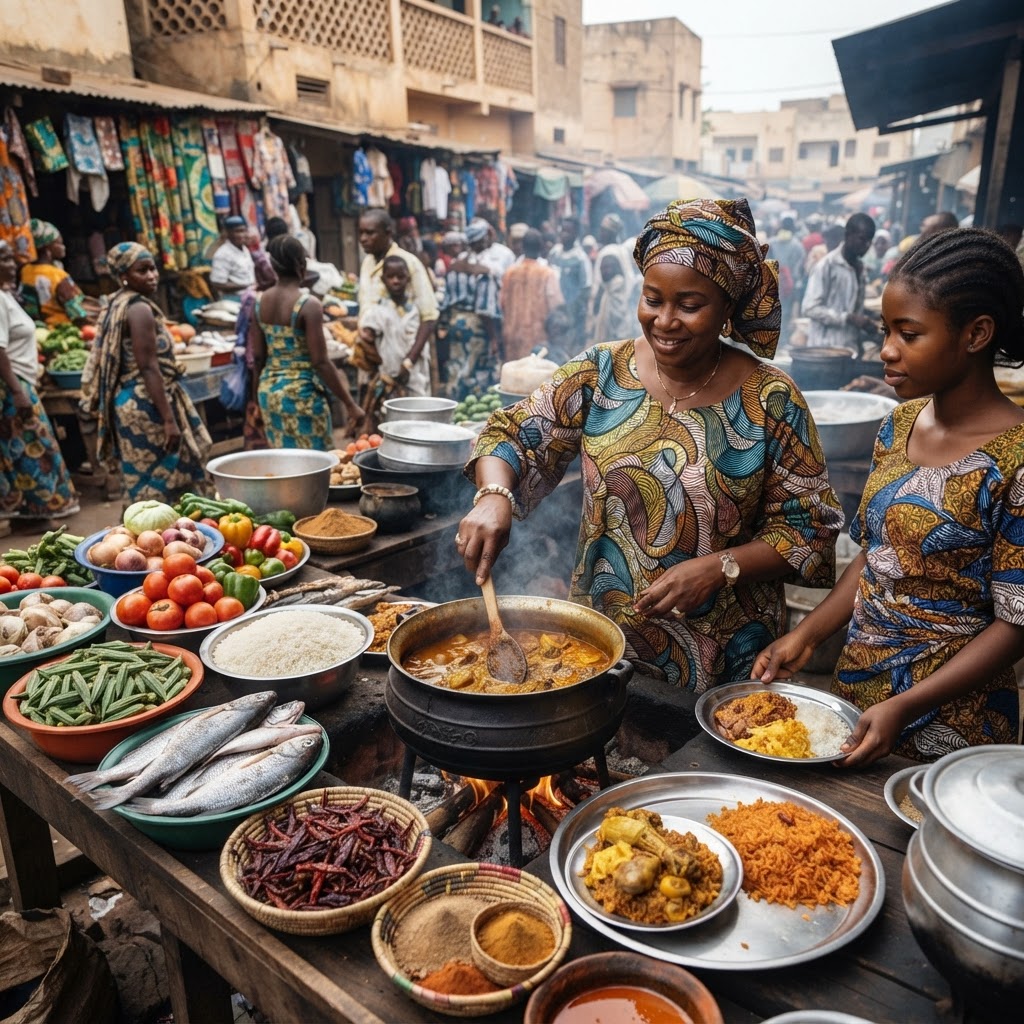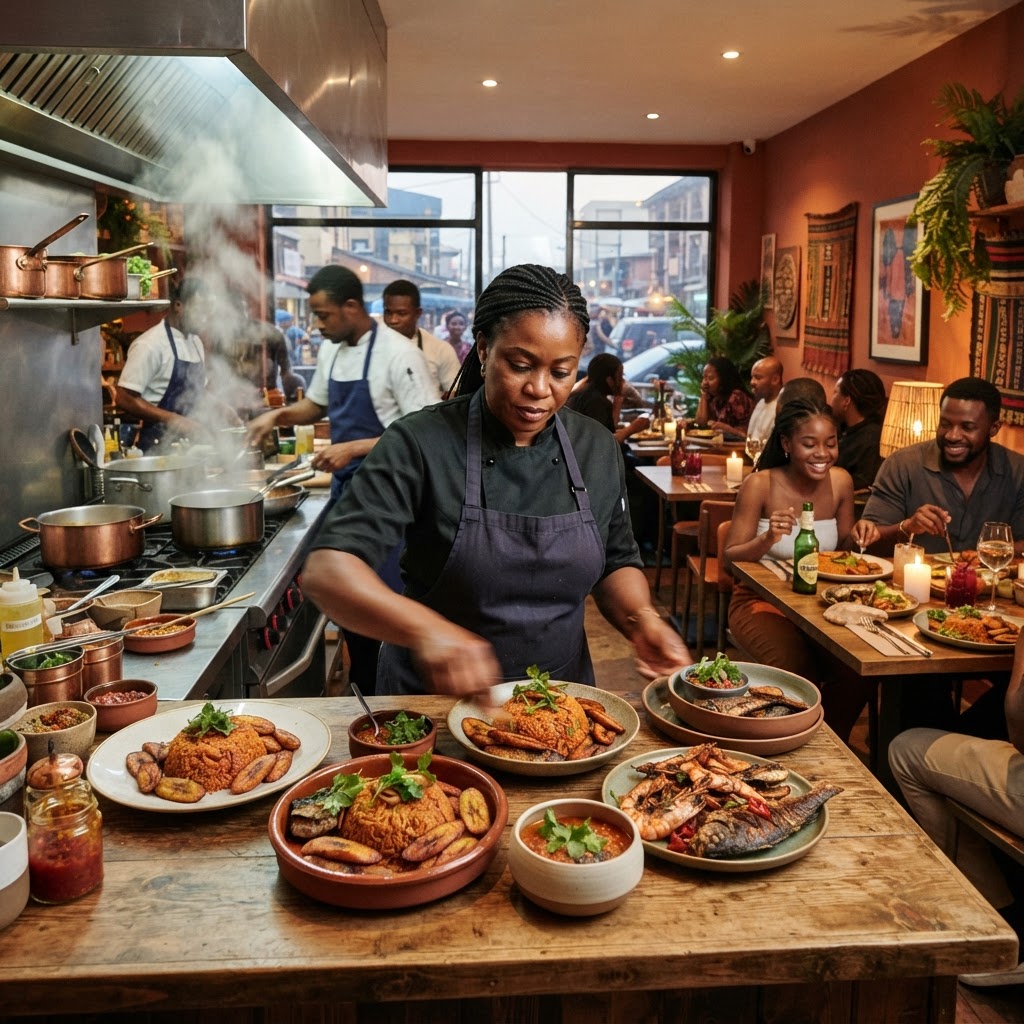
Across international culinary capitals from London and Paris to New York and São Paulo, an unprecedented transformation is taking place on the dining scene. West African cuisine—a deeply rooted gastronomic tradition celebrated for its vibrant flavors, complex fermentations, and rich historical lineage—is experiencing a remarkable global renaissance. What was once relegated to informal home kitchens and hyper-localized diaspora enclaves is now claiming center stage at high-end dining establishments, international culinary symposiums, and mainstream travel itineraries. This cultural elevation reflects far more than a passing food trend; it represents a comprehensive reclamation of heritage, an economic boom for regional agricultural trade, and a long-overdue acknowledgment of the foundational role West African gastronomy has played in shaping the modern global palate.
The Deep Roots and Enduring Foundations of West African Cooking
To understand the current resurgence of West African culinary arts, one must first appreciate the intricate foundational elements that define the region's foodways. Spanning countries such as Nigeria, Ghana, Senegal, Mali, Côte d'Ivoire, and Cameroon, West African gastronomy relies on complex flavor matrices that balance heat, savoriness, acidity, and earthiness. Ancient grains like fonio—a nutrient-dense, drought-resilient heirloom millet cultivated for over five thousand years—form the cornerstone of regional starch staples alongside cassava, yams, and plantains.
Central to the flavor architecture are fermentation techniques perfected over centuries. Ingredients such as iru or dawadawa (fermented locust beans) and ogiri (fermented oil seeds) impart intense, umami-rich depths that evoke comparisons to artisanal aged cheeses or traditional Japanese miso. Aromatics like Scotch bonnet peppers, ginger, garlic, and indigenous botanicals like grains of paradise and Ashanti pepper contribute layers of warmth and fragrance. Landmark preparations such as Senegalese thieboudienne—a masterclass in slow-simmered broken rice, fresh fish, tamarind, and vegetables—illustrate a sophisticated command of heat, timing, and reduction that rivals classical European culinary techniques.
Advertisement

"West African cuisine is not merely an assemblage of ingredients; it is an archive of living history, resilience, and botanical mastery. When we cook, we are speaking an ancestral language that has crossed oceans and survived centuries."
Pioneering Chefs and Modern Gastronomic Reinterpretation
The contemporary renaissance is propelled by a cohort of visionary chefs who are reimagining West African gastronomy without stripping away its authentic spirit. In major metropolises worldwide, fine-dining establishments are introducing diners to tasting menus centered on indigenous West African ingredients, earning Michelin stars and prominent international awards in the process. Chefs such as Kwame Onwuachi, Adejoké Bakare, and Michael Adé Elégbèdé are challenging monolithic interpretations of fine dining, proving that traditional African cooking techniques and flavor profiles belong in the highest tier of culinary arts.
These culinary innovators are executing rigorous research into historical recipes, elevating regional street foods, and employing modern culinary science to reinterpret classic preparations. Consider the enduring cultural touchstone of Jollof rice: while diaspora social media debates vigorously debate whether the Ghanaian, Nigerian, or Senegalese variant reigns supreme, modern chefs are elevating the dish through precise par-cooking techniques, smoked stocks, and charred tomato-pepper reductions that draw out nuanced profiles previously unexplored in commercial dining spaces.
- Technique Preservation: Contemporary chefs are cataloging ancestral methods of open-flame roasting, stone grinding, and clay-pot stewing to maintain the tactile integrity of indigenous dishes.
- Ingredient Visibility: Specialized ingredients such as tiger nuts, baobab fruit, moringa, and hibiscus (sorrel or zobo) are migrating into pastry arts and modern mixology.
- Menu Storytelling: Dining experiences increasingly incorporate narrative components that educate diners on the historical and geographical origins of each course.
Economic Implications and the Global Supply Chain
Beyond cultural prestige, the global rise of West African dining is driving significant economic shifts across agricultural and trade networks. International demand for indigenous African crops has stimulated local farming collectives across the Sahel and tropical belts. Fonio, often hailed as an exceptional superfood due to its gluten-free profile and low glycemic index, has emerged as a high-value export crop, providing sustainable livelihoods for smallholder farmers in Guinea, Mali, and Burkina Faso.
The burgeoning interest in culinary tourism is also redirecting international travel revenues directly into West African economies. Major cities such as Accra, Lagos, and Dakar have witnessed an influx of food tourists seeking immersive food tours, market explorations, and masterclasses led by local culinary artisans. Hospitality groups are responding by curating luxury travel experiences that blend wildlife and cultural tourism with farm-to-table culinary expeditions. This cross-sector alignment has created a virtuous economic cycle, incentivizing infrastructural investment and culinary education across the region.
Diasporic Connections and the Reversal of Erasure
An essential dimension of this culinary revival is the active process of historical reclamation. The transatlantic slave trade historically transported West African agricultural knowledge, crops, and cooking techniques to the Americas, profoundly shaping Southern American, Caribbean, and Brazilian cuisines. Staples such as black-eyed peas, okra, collard greens, and the foundational principles of jambalaya and gumbo are direct descendants of West African food traditions. For centuries, however, Eurocentric culinary frameworks systematically erased the African origin of these foundational contributions.
Today’s culinary movement actively reverses that erasure, creating vibrant cross-cultural dialogues between West African chefs and their counterparts in the Caribbean and the American South. Collaborative dinners, food festivals, and academic research projects are mapping the historical continuities between West Africa and the diaspora, transforming food into a catalyst for historical reconciliation and solidarity. Through this lens, enjoying a bowl of Afro-diasporic stew becomes an act of acknowledging resilience and honoring the botanical architects who shaped the global culinary landscape.
Challenges and the Path Toward Sustainable Expansion
Despite this momentum, the global expansion of West African culinary arts encounters logistical and structural hurdles. Complex customs regulations, fragmented trade logistics, and stringent import tariffs often create supply shortages of critical perishable items, compelling diaspora chefs to navigate complex sourcing environments or rely on less pungent substitutes. Ensuring that value-added processing remains anchored within West African nations—rather than having raw materials exported and monetized exclusively abroad—remains a fundamental socioeconomic imperative.
Furthermore, chefs and hospitality entrepreneurs navigate the persistent risk of culinary commodification. As global commercial brands identify market potential in West African ingredients, preserving community ownership, cultural authenticity, and fair compensation for traditional knowledge keepers becomes vital. Culinary historians emphasize that commercialization must not come at the expense of cultural nuance or agricultural sustainability.
The Future Horizon of West African Food and Travel
Looking ahead, the trajectory of West African cuisine points toward sustained growth, deeper institutional integration, and widespread international normalization. Culinary schools across Europe and North America are beginning to integrate African cooking techniques into classical curriculums, moving beyond long-established French and Italian pedagogical frameworks. Media platforms, literature, and broadcast travel series are dedicating substantive coverage to the diverse regional traditions of West Africa, cultivating a more discerning and adventurous global consumer base.
Ultimately, the culinary renaissance of West African cuisine is far more than a celebrated aesthetic movement. It represents the vibrant flowering of centuries-old knowledge systems, a structural realignment of international food trade, and an invitation for global audiences to partake in an enduring tradition of hospitality, generosity, and gastronomic excellence. As West African food ways continue to captivate the world, they illuminate a powerful truth: that some of humanity's most extraordinary artistic triumphs are found simmered gently in a communal pot, waiting to be shared.