Under the blinding halogen glare of European football’s most prestigious stage, the margins between historic glory and devastating heartbreak narrowed to a matter of seconds. In a contest that epitomized the chaotic beauty of the UEFA Champions League, a breathless encounter reached its crescendo with an extraordinary stoppage-time winner, leaving the home terraces in raptures and the traveling contingent frozen in disbelief. It was an ending orchestrated for folklore, a nine-minute sequence of added-time theater that immediately enters the annals of the tournament’s most thrilling modern climaxes.
For eighty-nine minutes, the match had been an intense, tactical chess match played at a suffocating tempo. Both managers had set out expansive game plans, refusing to settle for the pragmatism that so often blights knockout-stage or high-stakes group fixtures. The tactical battle in midfield was relentless, characterized by bone-crunching challenges, rapid transitions, and goalkeeping heroics at either end that repeatedly defied probability. Yet, as the official fourth official lifted the illuminated electronic board indicating five additional minutes, the scoreline remained poised on a knife-edge, threatening to conclude in an honorable, albeit frustrating, deadlock.
The visiting side had long looked capable of executing a textbook counter-attacking masterclass. Having survived an initial twenty-minute onslaught during the opening exchanges, they had grown into the encounter, their low-block defense absorbing waves of pressure before launching searing breaks down the flanks. Their goalkeeper had delivered an inspired performance, denying three point-blank efforts in the second half alone and commanding his penalty box with a calm authority that seemed destined to frustrate the hosts. With every cleared corner and every cynical foul drawn to disrupt the rhythm of the game, the home supporters grew visibly anxious, their collective nervous energy translating into audible groans from the stands.
Advertisement

However, modern football is defined by moments where tactical discipline yields to sheer individual will. With ninety-two minutes elapsed, the home side launched what appeared to be their final coordinated push. A sweeping diagonal pass from deep within their own half picked out the substitute winger, whose introduction midway through the second period had slowly turned the tide of momentum. Cutting inside his marker with a decisive drop of the shoulder, he unleashed a venomous, dipping effort that the opposition keeper could only parry wide at full stretch. The resulting corner set the stage for an unforgettable finale.
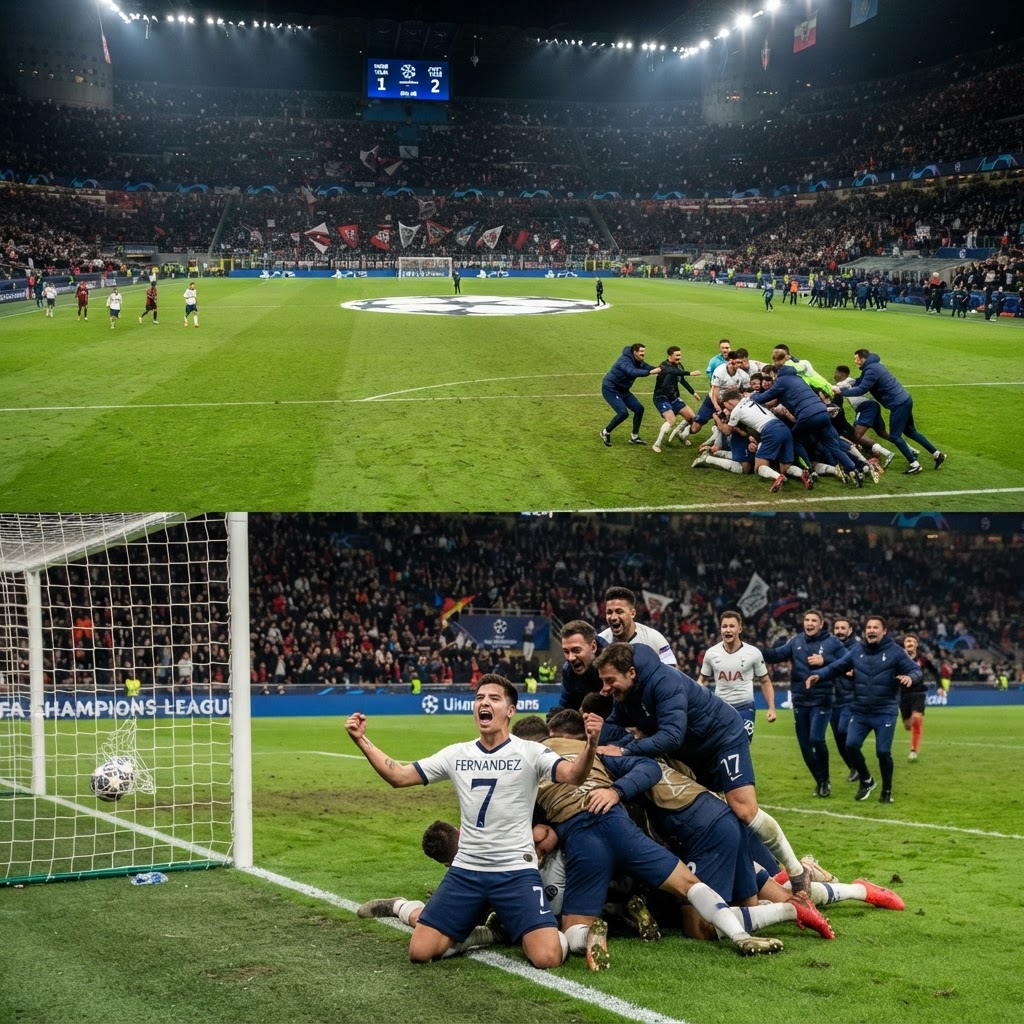
With virtually twenty-two players crammed into the eighteen-yard box, the set piece was curled toward the penalty spot. A desperate defensive header cleared the initial danger, but only as far as the edge of the area. There, arriving at pace through a forest of outstretched legs, came the match-winner. Without breaking stride, he struck the loose ball cleanly on the half-volley with an explosive connection that silenced forty-thousand spectators for a fraction of a second. The strike arrowed through the crowd, struck the underside of the crossbar, and crossed the line before bouncing violently into the roof of the net.
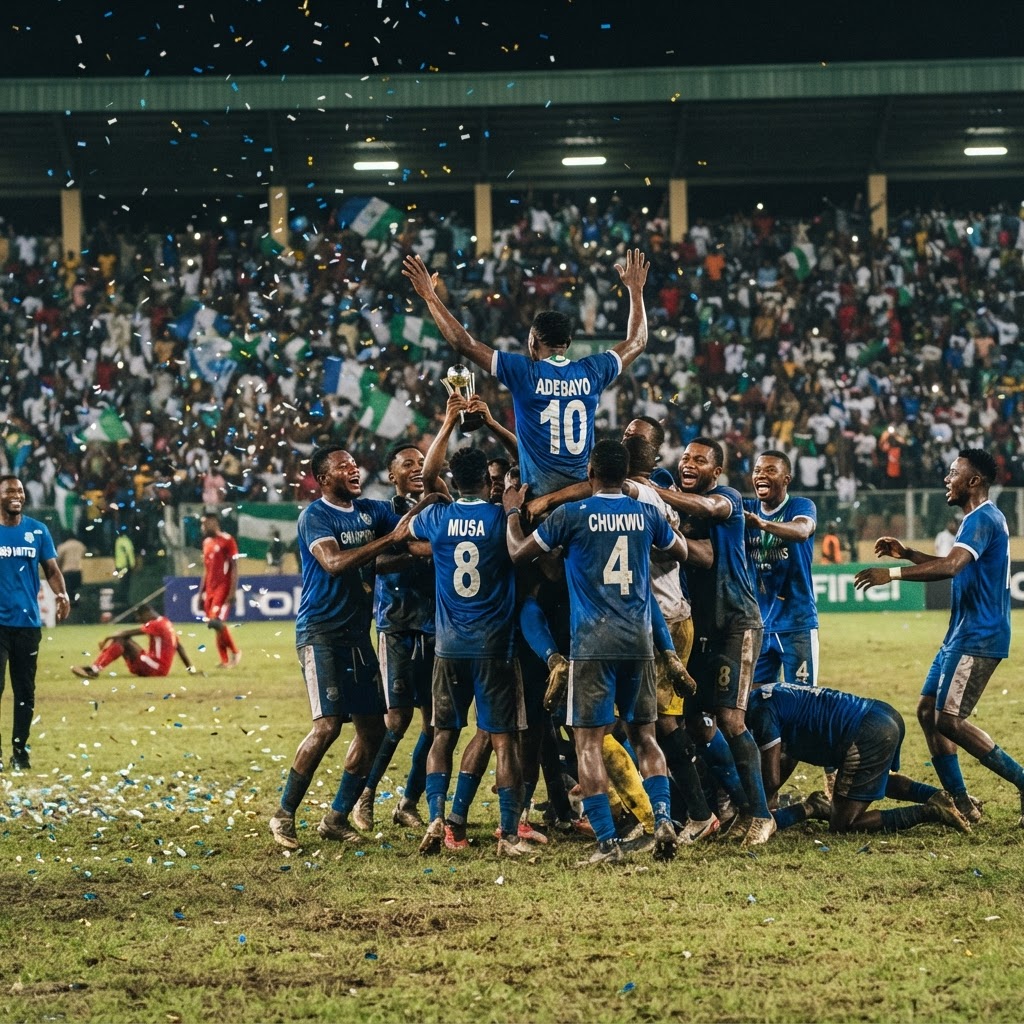
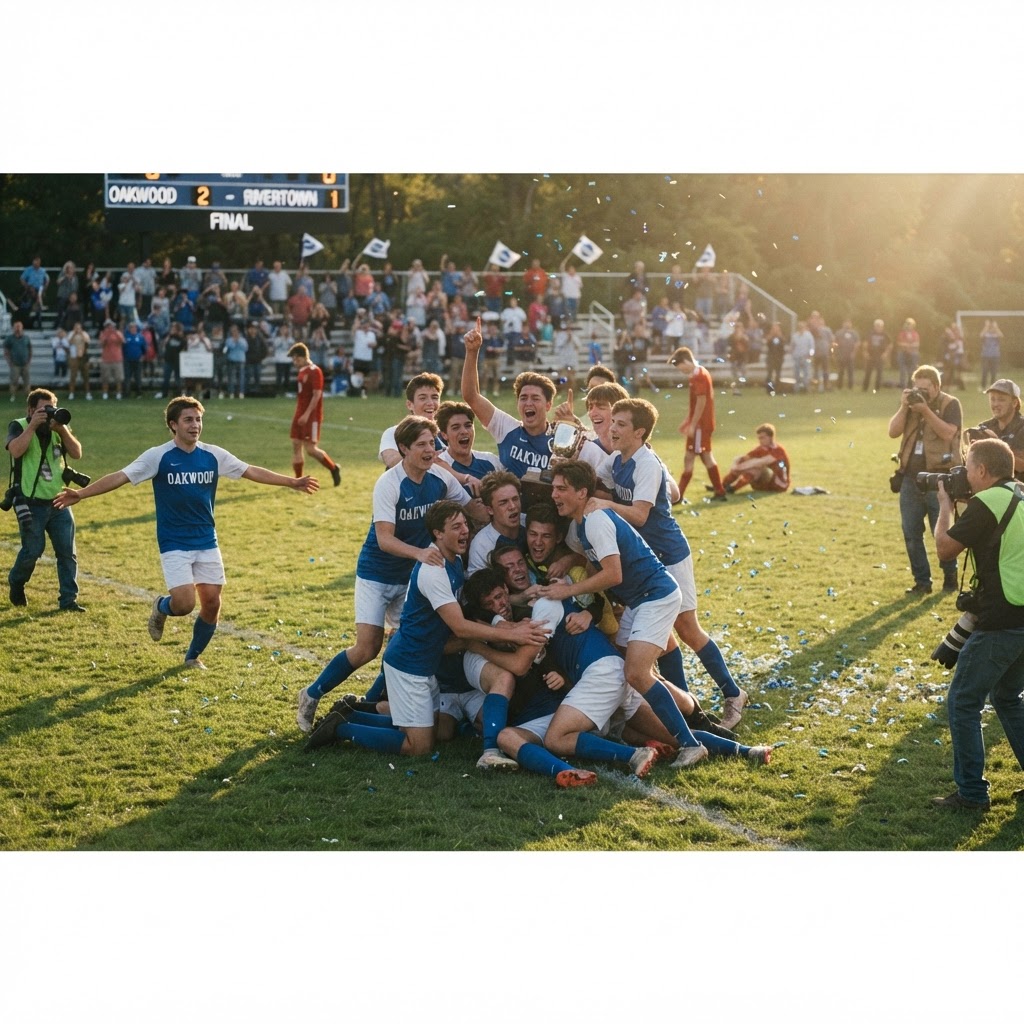
Pandemonium ensued. The scorer ripped off his shirt, sprinting toward the corner flag pursued by his entire bench, including the substitute goalkeeper, fitness coaches, and the manager himself. In the stands, strangers embraced amidst a shower of celebratory drinks, the roar of the stadium shaking the concrete foundations of the arena. Conversely, several defending players collapsed to the turf, their heads buried in their hands, utterly devastated after coming within seconds of securing a vital away result.
From an analytical perspective, the victory represents far more than just three points in the standings. Over ninety minutes, the underlying metrics told a story of sustained, aggressive territorial dominance that ultimately wore down a resolute opponent. The home side registered twenty-two attempts on goal compared to the visitors’ seven, enjoying nearly sixty-four percent of possession. Yet, while the possession was heavy, it had lacked incision during a pedestrian middle period of the second half. It took a shift in structure—shifting from an initial 4-3-3 to an aggressive, hyper-vertical 3-2-5—in the final ten minutes that finally disrupted the visitors’ defensive compactness.
Post-match reactions highlighted the profound emotional toll of such a conclusion. Speaking in the press room shortly after the final whistle, the victorious manager praised his squad’s psychological resilience, noting that teams with championship pedigree are defined by their capacity to believe when the clock is against them. He lauded the tactical discipline of his substitutes, pointing out that in the contemporary Champions League era, matches are rarely won by the starting eleven alone, but by the depth and intensity introduced in the closing quarter of an hour.
For the losing manager, the post-match briefing was an exercise in solemn reflection. Acknowledging that the result was agonizing to digest, he emphasized that his side had executed their strategic blueprint nearly to perfection. They had successfully limited the hosts to speculative efforts from range and had created two golden opportunities on the break that, had they been converted, would have sealed an entirely different outcome. In elite European competition, failing to capitalize on transition moments often invites an inevitable, cruel punishment.
This dramatic conclusion also carries monumental implications for the wider competition landscape. With the victory, the hosts solidify their standing at the top of the group, placing them on the precipice of knockout-stage qualification and significantly improving their seeding prospects for the rounds to come. For the vanquished, the path forward becomes treacherous; they now face a must-win scenario in their upcoming fixture, with virtually zero margin for error if they harbor ambitions of progressing beyond this phase.
As the stadium lights finally began to dim and the surrounding streets echoed with the celebratory chants of departing supporters, the sheer scale of the spectacle lingered in the air. The UEFA Champions League continues to produce a caliber of drama that eludes scripted entertainment, reminding global audiences why it remains the pinnacle of club sport. For the players who authored the moment, it will be remembered as a career-defining triumph; for those who suffered the blow, a haunting reminder of how unforgiving the highest level can...