Introduction and Overview
Across major global metropolises, from London and Toronto to New York, Melbourne, and Berlin, diaspora communities are spearheading an expansive renaissance of traditional arts, ancestral crafts, and indigenous performance styles. What began decades ago as localized, private efforts by newly arrived immigrant families to safeguard cultural memories has rapidly matured into a sophisticated, multi-million-dollar creative economy. Displaced and migrant creators are no longer simply preserving heritage within insular circles or private homes; they are boldly repositioning ancient practices in public view, claiming space in premier galleries, international performance halls, and international markets. This cultural resurgence represents not merely a passive nostalgia for the homeland, but an active, dynamic reclamation of identity in an increasingly interconnected and volatile modern landscape.
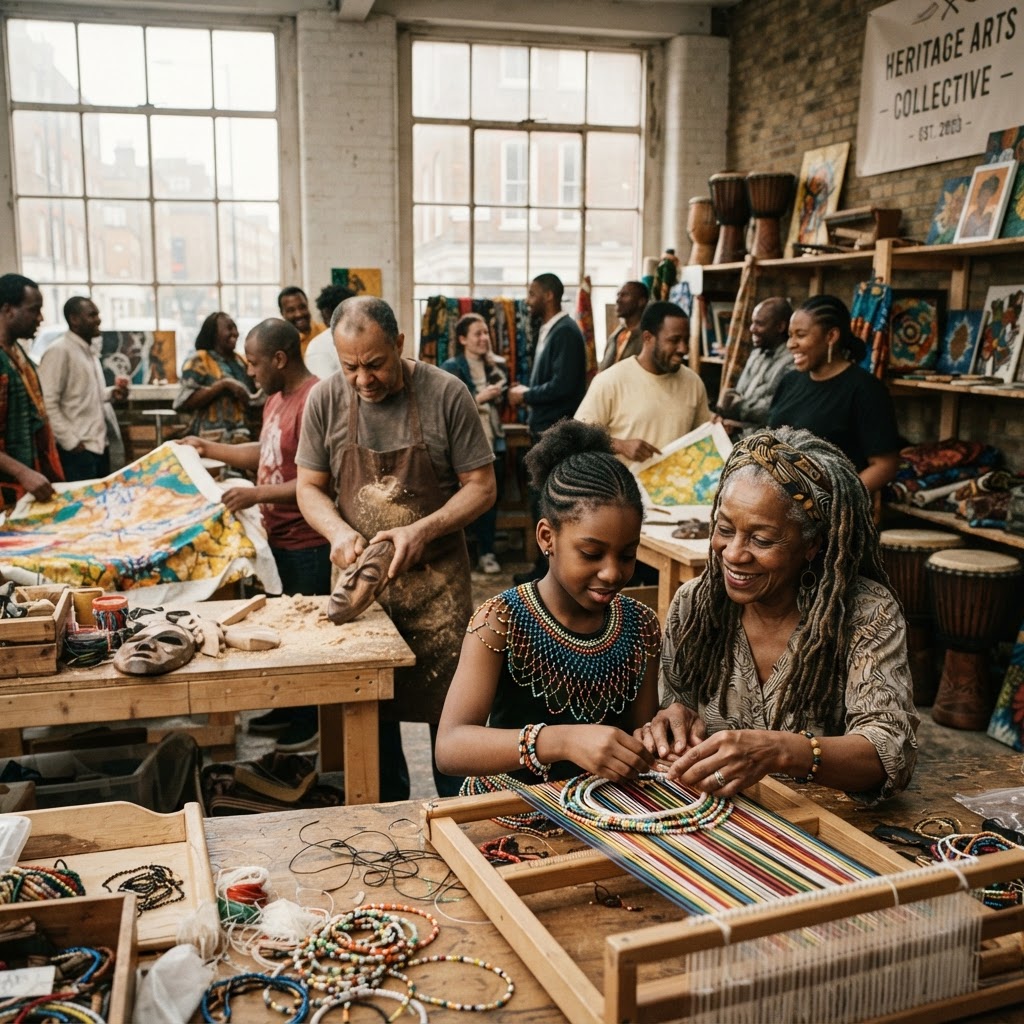
The contemporary urgency behind this creative movement stems from intense geopolitical, social, and economic transitions. In a globalized world shaped by rapid demic migration, displacement, and rapid urbanization, traditional artisan practices face the perpetual risk of dilution or complete erasure. By revitalizing heritage techniques—ranging from intricate West African textile weaving and South Asian classical percussion to Indigenous Andean ceramics and Levantine embroidery—diasporic practitioners construct resilient cultural anchors. These creative expressions provide essential continuity across dispersed generations, reinforcing dignity, collective solidarity, and ancestral pride amid foreign environments that frequently demand rapid cultural assimilation.
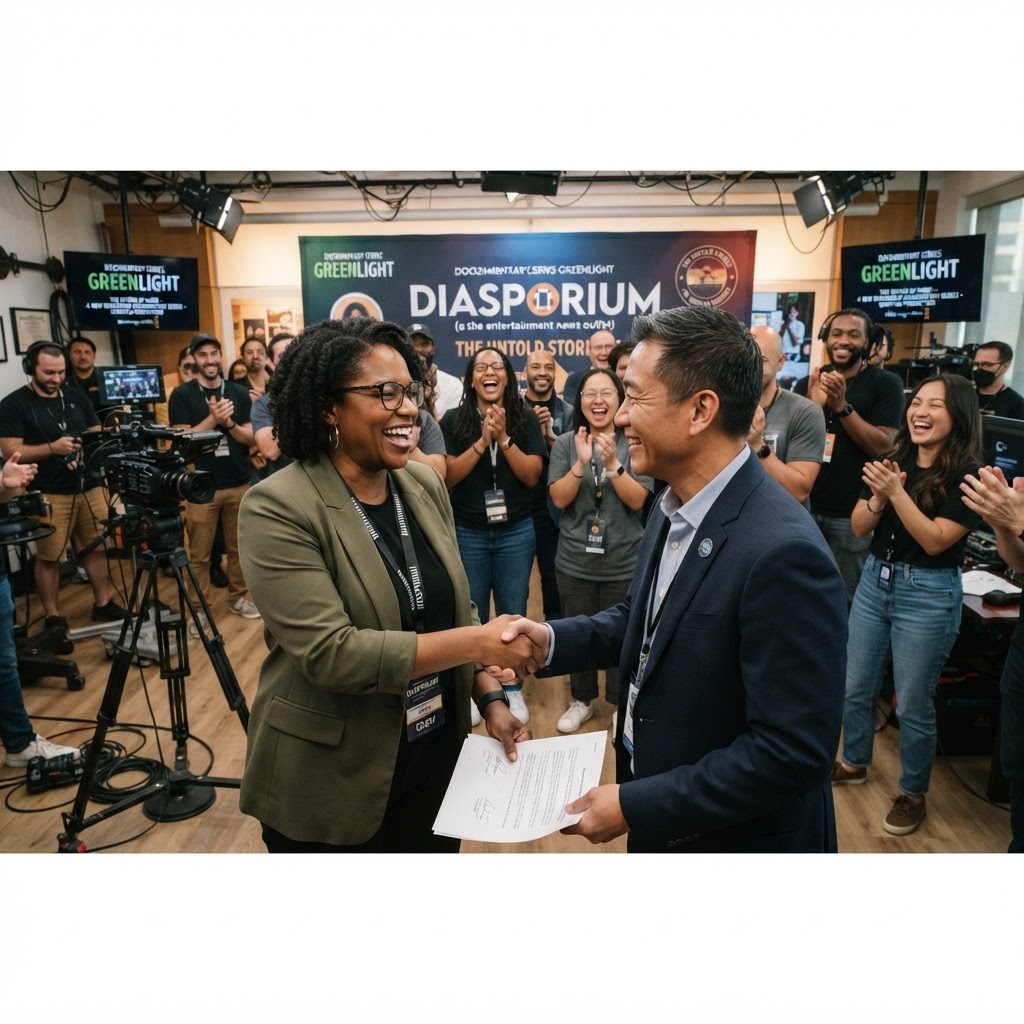
Crucially, this cultural awakening operates simultaneously as an economic engine and a strategic framework for creative enterprise. Emerging diaspora-led enterprises, artisan cooperatives, independent record labels, and community design studios are building sustainable business models around heritage preservation. They are systematically bridging ancestral craftsmanship with contemporary commercial avenues, challenging traditional institutional gatekeeping that has historically marginalized migrant creators or relegated their work to ethnographic curiosities. By commercializing these crafts ethically, diaspora practitioners are turning ancestral knowledge into financial autonomy and intergenerational wealth.
Advertisement

Understanding this phenomenon requires examining how displaced groups actively negotiate between preservation and modern evolution. Far from keeping ancient arts frozen in time as museum relics, diaspora innovators are infusing historical idioms with contemporary technology, synthetic materials, modern choreography, and digital storytelling platforms. This critical synthesis generates new, boundary-pushing hybrid genres that captivate diverse mainstream audiences while remaining deeply rooted in foundational lineages. The modern diaspora arts renaissance underscores how displacement can transform from a condition of rupture into a fertile wellspring of artistic reinvention and cross-border enterprise.
Background and Context
The concept of diaspora—derived etymologically from the ancient Greek term diaspeirō, meaning to scatter or sow widely—has evolved dramatically across historical epochs. Historically associated with catastrophic exiles, the transatlantic slave trade, colonial displacements, and the flight of refugees, diaspora now encompasses a vast spectrum of voluntary and forced movements across the globe. As pioneering diaspora studies scholar Khachig Tölölyan observed in the late twentieth century, the term has broadened from historic dispersions to encompass a dynamic semantic domain of transnational, migrant, and borderland communities navigating complex positionalities of race, nationality, class, and heritage.
Historically, the arrival of migrant populations in host societies was dominated by pressures toward assimilation and the systemic marginalization of their native practices. In host nations throughout North America, Western Europe, and Australasia, first-generation immigrants often experienced profound cultural alienation, facing societal pressures that encouraged the shedding of foreign tongues, traditional dress, and indigenous spiritual ceremonies in exchange for social and economic mobility. During much of the nineteenth and twentieth centuries, diasporic arts survived primarily within private domestic spheres, community basement clubs, and mutual aid societies. These hidden creative hubs functioned as fragile sanctuaries where elders passed down oral traditions, traditional recipes, devotional songs, and needlework away from the scrutinizing gaze of the broader host society.
Yet over successive decades, the sociological landscape of cultural preservation shifted markedly as second- and third-generation descendants came of age. While first-generation migrants maintained ancestral arts out of an innate need to reconstruct familiar homelands abroad, subsequent generations faced an intricate cultural dilemma: balancing ancestral expectations with immersion in mainstream institutions. Rather than abandoning ancestral roots, younger generations increasingly re-embraced traditional art forms as instruments of sociopolitical resistance and personal self-definition, giving rise to historic artistic milestones such as the Harlem Renaissance, the British Black Arts Movement, and Chicano cultural mobilizations.
Scholarly research into demic migration highlights that cultural continuity in diaspora is never an accidental occurrence, but rather a deliberate, highly negotiated institutional process. Non-profit cultural centers, weekend language academies, sacred spaces, and independent artisan collectives have historically served as the institutional infrastructure maintaining living heritage across generations. In today's digital era, this preservation process has decoupled from geographic proximity, allowing dispersed creators to maintain continuous contact with their ancestral origins, study historical archives online, and coordinate collective transnational enterprises that safeguard end-to-end artisan lineages.
Key Developments
The contemporary diaspora arts landscape is marked by unprecedented institutional visibility, structural professionalization, and creative diversification across multiple disciplines. Visual artists of diasporic heritage are now achieving historic representation in premier cultural institutions such as Tate Modern, the Venice Biennale, and the Centre Pompidou. Celebrated artists such as Lubaina Himid, Ibrahim El-Salahi, and Do Ho Suh have demonstrated how diasporic memory, displacement, and non-linear, syncopated concepts of time can radically reshape contemporary artistic canons, moving traditional themes of exile, migration, and ancestral longing from the margins of the art world into center stage.
Concurrently, traditional craftsmanship is experiencing a massive renaissance through ethically grounded creative commerce and direct-to-consumer digital channels. Diaspora artisans are establishing successful businesses that adapt ancestral techniques to high-end apparel, modern interior design, and bespoke consumer goods. A prime illustration of this market evolution is the global commercialization of traditional textiles, such as Yoruba Adire resist-dyeing, West African Kente weaving, and South Asian handloom khadi:
- Direct-to-Consumer Artisan Networks: Diaspora entrepreneurs are bypassing extractive colonial supply chains, creating digital storefronts and cooperative platforms that connect rural heritage artisans directly with global diaspora buyers and conscious consumers worldwide.
- High-Fashion Collaborations: Global fashion houses and luxury interior brands are increasingly partnering with diasporic craft collectives, honoring intellectual property rights and integrating ancestral embroidery, beadwork, and natural dyeing into contemporary luxury collections.
- Tech-Driven Preservation: Forward-thinking creators are deploying digital archives, photogrammetry, virtual reality, and blockchain provenance tools to record endangered artisanal methods, ceremonial dances, and rare musical instruments, ensuring that complex craft techniques are documented and protected for posterity.
In the performing arts, diasporic choreographers and musicians are driving global genre innovations that dominate international charts and festival circuits. Traditional percussion frameworks, vocal polyphonies, and classical dance forms are being ingeniously fused with modern electronic synthesis, orchestral jazz, and hip-hop. The phenomenal worldwide ascendancy of genres such as Afrobeats, Amapiano, Latin trap, and modern Indo-jazz fusions illustrates how diasporic creators transform ancestral musical scales and syncopated drumming patterns into transformative, globally bankable cultural exports.
Furthermore, philanthropic foundations and municipal cultural agencies are launching specialized funding vehicles, residencies, and awards dedicated explicitly to supporting diasporic artistic ecosystems. Initiatives such as the Asia Pacific Arts Awards in Australia, supported under national cultural policies like Revive, illustrate how regional governments are actively recognizing and funding the connective tissue diaspora artists build across borders. Such public and private initiatives provide essential operating capital, mentorship, and exhibition infrastructure, ensuring that community-rooted artistic revivals achieve institutional stability and long-term economic resilience.
Expert Analysis and Perspectives
Sociologists, cultural economists, and museum curators emphasize that the resurgence of diaspora traditional arts reflects a structural realignment of global cultural authority. For decades, Western cultural institutions exhibited non-Western heritage primarily through an anthropological or imperial lens, treating ancestral artifacts as static relics of the past. Today's diaspora renaissance forcefully subverts that paradigm, asserting that traditional art forms are living, evolving, and intellectually rigorous systems of contemporary philosophy and aesthetics.
Dr. Amina Touré, a senior research fellow in cultural economics at the Pan-Atlantic Heritage Institute, points out that diaspora artists act as vital conduits of cultural diplomacy and economic capital:
"The diaspora is no longer content with acting as passive consumers of their heritage or allowing ancestral arts to be commodified by external corporate entities. We are witnessing an assertive generation of creative entrepreneurs who are taking complete ownership of their cultural production, establishing sovereign supply chains, and proving that traditional arts can command significant commercial value without sacrificing sacred integrity."
Art historians also observe that diasporic artistic methodologies are uniquely defined by non-linear temporalities and hybrid spatial strategies. When an artist in diaspora works with traditional motifs, they are not simply replicating historical designs; they are creating an active dialogue between ancestral memory and the present moment. Tate curator Aïcha Mehrez has highlighted how diasporic creators collapse the artificial boundaries between past and present, drawing on deep historical archives and childhood memories to process the disorienting realities of migration, displacement, and modern belonging.
This dynamic synthesis of memory and lived reality is central to how diaspora creators define artistic success. Marcus Chen, director of the Transnational Arts Policy Initiative, notes the profound community impact generated by these movements:
"Diaspora artistic practice consistently operates beyond standard commercial metrics. While box office revenue, gallery sales, and streaming metrics are critical for financial sustainability, the ultimate success of these initiatives lies in their capacity to restore intergenerational memory, heal historical ruptures, and instill enduring cultural pride within marginalized communities."
Furthermore, ethnomusicologists underscore that diaspora artists often serve as the final line of defense against the permanent extinction of rare cultural forms. Decades of civil strife, environmental catastrophe, or rapid globalization in homelands have occasionally devastated traditional training ecosystems. Diaspora masters and their apprentices frequently become custodians of traditions that are struggling in their geographic origins, repatriating pedagogical materials, musical compositions, and forgotten artisan techniques back to their ancestral source communities.
"When cultural knowledge is threatened in its place of origin due to rapid economic upheaval or conflict, the diaspora becomes an active sanctuary for survival and revitalization. Through innovative teaching models, digital platforms, and cross-border creative workshops, diaspora practitioners ensure that ancestral heritage remains resilient, dynamic, and accessible across continents."
Impact and Implications
The widespread revival of traditional arts across diaspora communities is generating profound sociopolitical and economic transformations. Within host nations, the widespread visibility of diaspora arts directly dismantles simplistic, monolithic notions of national identity. By embedding complex ancestral narratives into mainstream civic spaces, municipal theaters, and leading museums, diaspora creators compel public institutions to adopt broader, more inclusive frameworks of cultural citizenship. This cultural transformation enriches urban civic life, fostering authentic intercultural understanding and counteracting xenophobic political rhetoric with profound demonstrations of shared human expression.
From an economic standpoint, the diaspora arts revival fuels sustainable urban development and high-value creative economies. In multicultural business hubs, diaspora arts festivals, artisan markets, community dance studios, and traditional music schools stimulate foot traffic, commercial leasing, and cultural tourism. Moreover, diaspora creative enterprises frequently operate through redistributive business models, channeling portions of their global revenues back into their ancestral homelands to support craft cooperatives, fund apprenticeship programs, and build local infrastructure:
- Remittance of Intellectual Capital: Diaspora artists return home to conduct masterclasses, transfer digital production skills, and facilitate fair-trade international market linkages for rural artisans.
- Establishment of Autonomous Cultural Spaces: Community revenues are increasingly invested in founding independent galleries, performance centers, and heritage archives governed directly by diasporic populations.
- Reclamation of Cultural Copyright: Legal initiatives led by diaspora organizations are actively preventing unauthorized commercial appropriation of traditional textile designs, sacred motifs, and folk music catalogs by multinational corporations.
The educational impact on younger diaspora generations is equally profound. For children of migrants who often struggle with feelings of cultural estrangement or societal alienation, engagement with traditional arts provides grounding, self-esteem, and cognitive resilience. Immersive programs in classical performance, traditional visual storytelling, and artisan crafts offer young individuals a positive, affirming connection to their lineage, effectively bridging the cultural and linguistic divides that frequently open between first-generation immigrant parents and their locally born children.
However, this renaissance is not without its internal tensions and structural dilemmas. The rapid integration of traditional arts into commercial markets introduces complex debates surrounding commodification, spiritual desacralization, and cultural gatekeeping. Diaspora artists often face intense scrutiny from traditional purists within their home communities who view stylistic hybridization as dilution, while simultaneously facing institutional pressure from Western commercial markets to package their ancestral culture into easily digestible, exoticized commodities. Navigating these conflicting expectations requires immense artistic maturity, commercial acumen, and deep ethical commitment.
Reactions from the Diaspora Community
Within diaspora communities, the resurgence of traditional arts has sparked an overwhelmingly impassioned, joyful, and deeply personal reception. Grassroots gatherings, community town halls, and cultural workshops are routinely filled to capacity with multidisciplinary practitioners, elderly tradition-bearers, and eager young learners. For many community members, seeing their sacred customs, native textiles, and ancestral languages celebrated openly in major public venues represents a long-awaited vindication after decades of discrimination, marginalization, and cultural shame.
Elder tradition-bearers, who often carried ancestral knowledge across oceans under harrowing conditions, have expressed deep emotional relief at the newfound dedication exhibited by younger generations. In community cultural centers across London, Paris, and Chicago, veteran master drummers, weavers, and calligraphers recount how their crafts were once viewed with indifference by assimilation-minded youth. Today, these elders are re-energized by long waiting lists of young apprentices eager to master complex polyrhythms, intricate handloom operations, and oral histories.
Younger diaspora practitioners articulate this artistic dedication as an essential, life-affirming journey of self-discovery and collective healing. Visual artists, spoken word performers, and digital creators emphasize that working with heritage mediums allows them to resolve the internal fractured identity that so often characterizes the diasporic condition. Rather than feeling caught uncomfortably between two competing worlds, they view themselves as innovative architects of a powerful third space where ancestral wisdom and contemporary modern life coexist without contradiction.
Simultaneously, vibrant and healthy debates are unfolding within community institutions regarding authenticity, creative ownership, and commercial ethics. Diaspora cultural forums consistently grapple with how to celebrate artistic modernization while fiercely protecting the sacred, ceremonial origins of particular art forms. Emerging collectives are drafting community-led ethical codes of conduct that clarify which designs and rites are permissible for public exhibition and commercial sale, and which esoteric ceremonies must remain strictly protected within sacred communal spaces.