The Federal Reserve announced on Wednesday that it will maintain its benchmark interest rate at its current target range, extending a deliberate pause in its aggressive campaign to recalibrate monetary policy. The Federal Open Market Committee voted unanimously to keep the federal funds rate steady amid burgeoning signs of broader economic recovery, concluding a high-stakes two-day policy meeting that had drawn intense scrutiny from global financial institutions, corporate leaders, and households alike.
The policy stance reflects a delicate balancing act for the central bank as it navigates an increasingly complex economic landscape. On one hand, persistent consumer demand, historically durable employment figures, and gradual disinflation suggest that the world’s largest economy is charting an elusive "soft landing"—a scenario where price growth retreats sustainably to target levels without precipitating a debilitating domestic recession. On the other hand, lingering stickiness in the services sector and ongoing volatility across international commodity supply chains continue to pose subtle, unpredictable inflationary hazards that keep central bankers from prematurely loosening financial conditions.
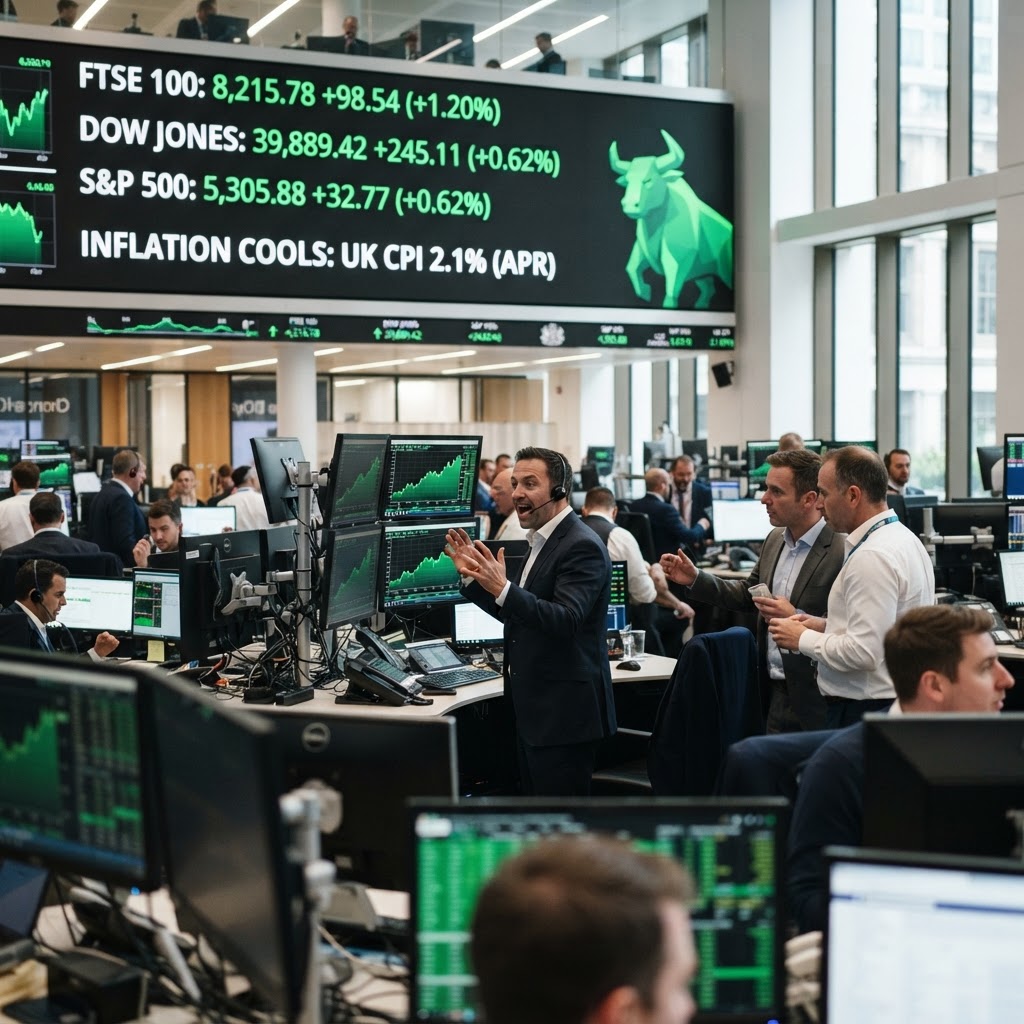
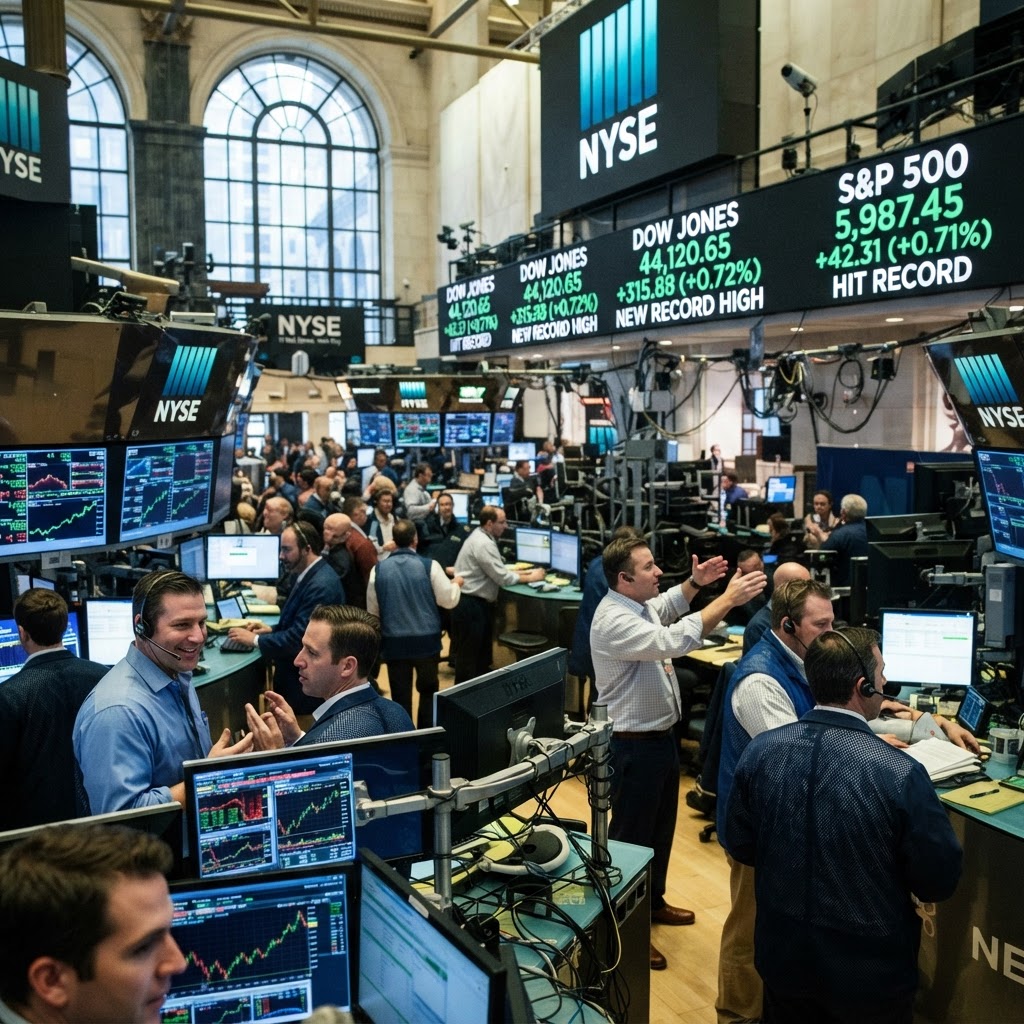
The decision was widely expected by market analysts and institutional investors, who had priced in near-total odds of a hold ahead of Wednesday’s formal policy release. Equity markets registered modest gains in the immediate aftermath of the announcement, while benchmark Treasury yields exhibited quiet stability. Investors interpreted the committee's steady hand as a measured vote of confidence in the underlying fundamentals of the domestic macroeconomy, even as policymakers signaled that borrowing costs will remain sufficiently elevated for as long as deemed necessary to finish the job on consumer prices.
Advertisement

In its updated policy statement, the Federal Open Market Committee noted that recent economic indicators suggest economic activity has been expanding at a resilient pace. Job gains have moderated from their post-pandemic highs toward healthier, more sustainable levels, and the unemployment rate remains historically low by traditional metrics. Inflation, while down substantially from its multi-decade peaks recorded two years ago, remains somewhat elevated above the central bank’s long-term annual target of two percent. The language contained in the statement underscored that committee members remain resolutely attentive to inflation risks, reiterating that any future policy adjustments will remain heavily dependent on inbound macroeconomic datasets.
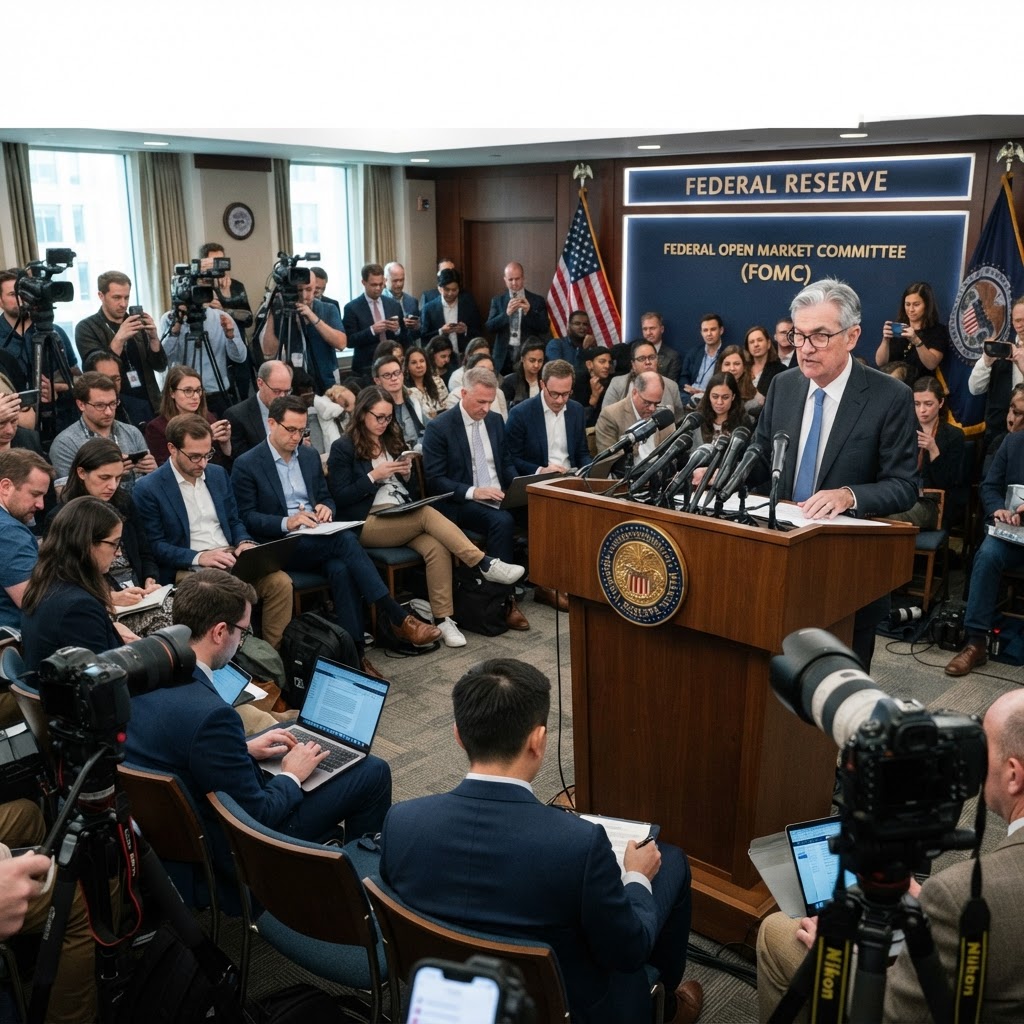
Speaking at a press conference following the release of the statement, the Federal Reserve Chair elaborated on the rationale behind holding the federal funds rate unchanged. The Chair emphasized that monetary policy is currently in restrictive territory, which is actively exerting downward pressure on demand, credit expansion, and headline price metrics. The central bank’s leadership cautioned, however, that the path forward will not necessarily be straightforward or linear, warning market participants against premature speculation regarding rapid, sequential rate cuts in the near term.
"We have made significant progress toward our dual mandate of maximum employment and price stability," the Chair remarked during the briefing. "However, the process of bringing inflation sustainably back down to our two percent objective is not complete. Given the strength of the economy and the progress made thus far, the committee is in a position to proceed carefully. We will continue to make our decisions meeting by meeting, grounded in the totality of incoming data and their implications for the economic outlook."
The central bank’s decision comes against a broader backdrop of mixed economic signals. Over the past several quarters, the United States economy has defied persistent warnings of an imminent downturn, largely supported by an enduring labor market and sturdy personal consumption expenditures. Yet, beneath headline resilience lie pockets of palpable strain. Middle- and lower-income households have largely exhausted the supplemental savings amassed during the pandemic era, increasingly turning to credit cards and short-term debt instruments that carry record-high interest rates. Delinquency rates on automobile loans and revolving credit lines have ticked modestly upward, signaling that elevated borrowing costs are gradually weighing on the most financially vulnerable demographics.
The commercial and residential real estate sectors also remain heavily constrained under the weight of higher financing costs. The domestic housing market has essentially seized up into a structural stalemate; existing homeowners, many of whom secured fixed-rate mortgages below three or four percent during the depths of the pandemic, are reluctant to sell, resulting in a persistent scarcity of available housing inventory and elevated property valuations that lock out first-time buyers. Meanwhile, commercial real estate portfolios, particularly office developments adjusting to permanent hybrid work patterns, face looming debt maturities that must be refinanced at rates substantially higher than those underwritten half a decade ago.
Despite these sectoral headwinds, broader corporate earnings have largely proved durable, bolstered by technological investments, strategic cost management, and steady operational demand. This ongoing corporate strength has bolstered the Fed's conviction that the broader macroeconomy possesses sufficient structural vigor to absorb the current cost of capital without tumbling into an outright contraction.
Global economic crosscurrents are adding further layers of analytical nuance to the Fed's deliberative process. Central banks across Europe and other developed markets have begun divergent policy trajectories, with some institutions easing monetary policy earlier in response to more acute domestic stagnation. Concurrently, ongoing geopolitical friction in the Middle East and Eastern Europe presents perpetual supply-chain and shipping vulnerabilities that could abruptly reignite energy and industrial commodity inflation, complicating central banking models across the globe.
Independent economists and institutional strategists broadly viewed Wednesday’s outcome as an affirmation that the central bank’s patient posture remains prudent under current conditions. "The Federal Reserve is under no immediate operational pressure to move aggressively in either direction," said a senior macroeconomist at an international investment bank. "With growth tracking comfortably above trend and the labor market finding a more sustainable equilibrium on its own, policymakers have the luxury of time. They can afford to wait for unambiguous empirical confirmation that disinflation is firmly entrenched before considering an easing of the monetary brake."
Looking ahead, financial market observers will focus intently on upcoming inflation metrics, particularly the Consumer Price Index and the Personal Consumption Expenditures price index, alongside monthly nonfarm payrolls and wage growth tabulations. Any unexpected resurgence in inflationary pressures could prompt the central bank to keep...