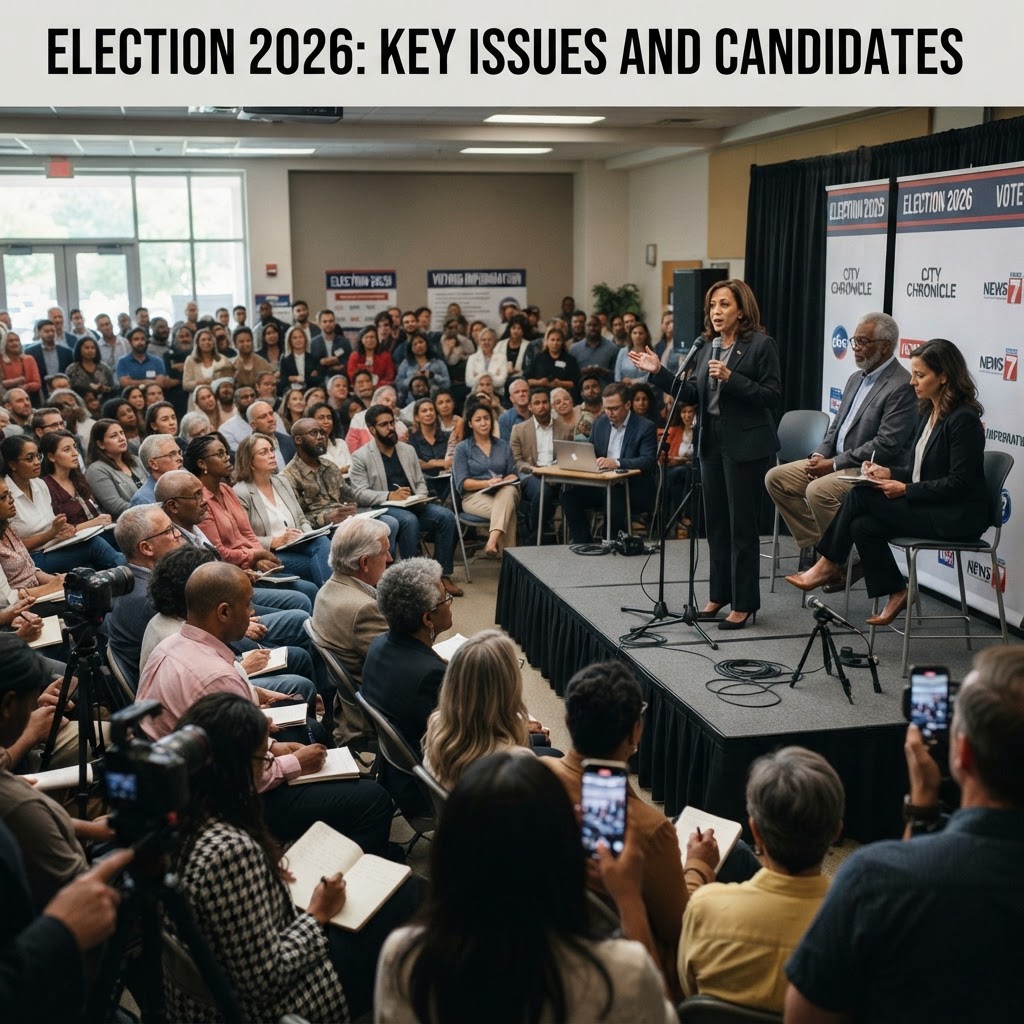
As the nation moves steadily toward the November 2026 midterm elections, the American political landscape is bracing for a high-stakes contest that will test the balance of power in Washington and statehouses across the country. Midterm cycles historically serve as a referendum on the sitting presidential administration, and 2026 is shaping up to be no exception. With razor-thin margins in both the Senate and the House of Representatives, every legislative district and statewide contest carries outsized weight, drawing unprecedented campaign spending and early mobilization from both major political parties.
The macroeconomic environment continues to anchor the national political dialogue, remaining the preeminent issue for a broad cross-section of the electorate. Despite sustained employment metrics and adjustments in monetary policy, persistent cost-of-living concerns, particularly regarding housing affordability, grocery prices, and household debt, continue to shape voter sentiment. Conservative candidates are largely focusing their platforms on fiscal discipline, regulatory rollbacks, and corporate tax stability, arguing that federal spending patterns have prolonged inflationary pressures. Conversely, progressive and moderate Democrats are emphasizing corporate accountability, worker protections, and policies aimed at bolstering domestic manufacturing and green-collar jobs, seeking to demonstrate that targeted federal investments have stabilized the post-pandemic supply chain.
Healthcare policy remains inextricably linked to economic anxieties, dominating town halls and debate stages nationwide. The debate has largely bifurcated into parallel tracks: the preservation and affordability of existing health coverage and the ongoing legal and legislative battles surrounding reproductive rights. Following years of litigation and shifting state-level statutes, the question of federal protections for reproductive autonomy continues to mobilize suburban voters and younger demographics. Simultaneously, candidates across the ideological spectrum are under immense pressure to present viable solutions to rising prescription drug costs, maternal health crises in underserved communities, and the looming financial insolvency of federal entitlement programs like Medicare and Medicaid. In rural districts, the preservation of community hospitals facing chronic underfunding has emerged as an urgent, nonpartisan imperative.
Advertisement

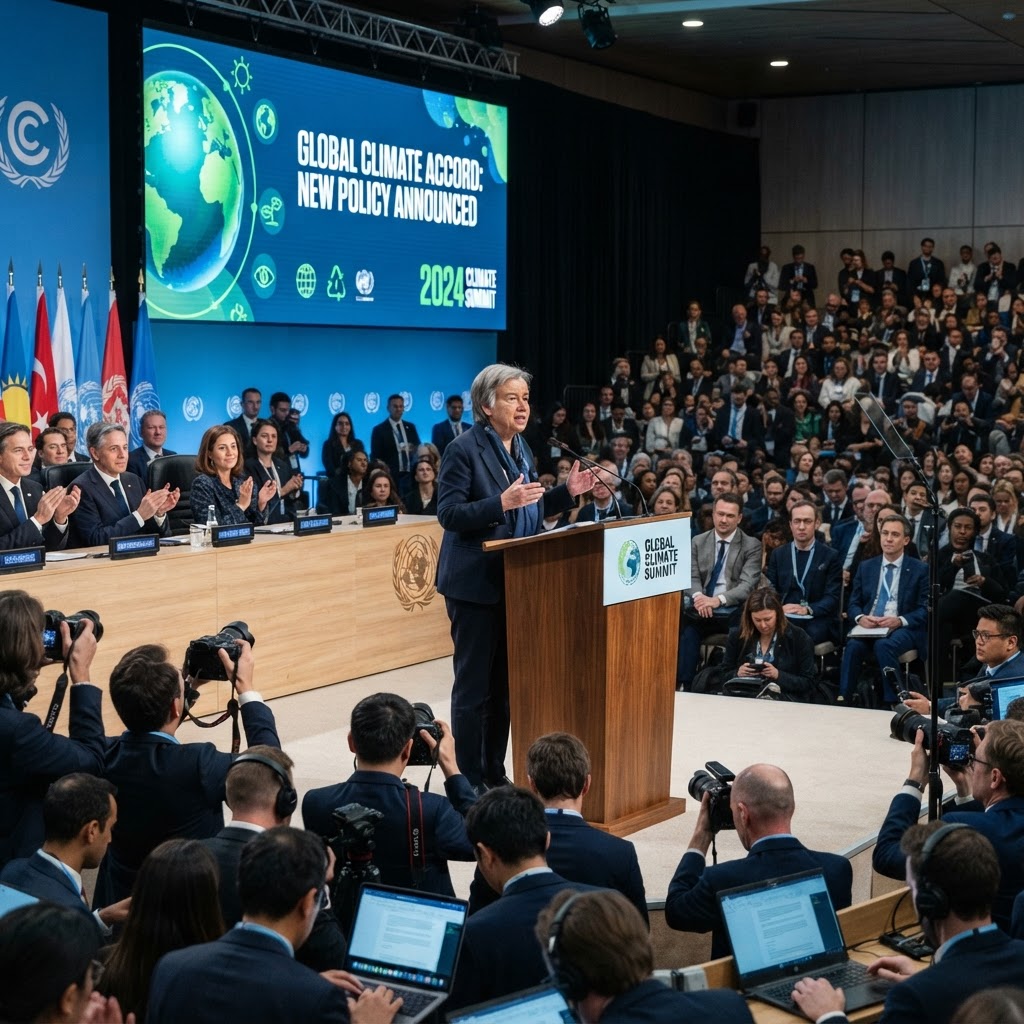
Climate policy and energy independence have established themselves as decisive flashpoints, particularly in industrial and energy-producing states. The debate no longer centers simply on the existence of environmental changes, but on the speed, cost, and logistics of the energy transition. Incumbents defending ambitious clean-energy mandates and carbon-reduction goals are pointing to localized job creation, modernized energy grids, and community resilience against frequent extreme weather events. Challengers in fossil-fuel-rich regions, however, contend that accelerated regulatory timetables jeopardize grid reliability and place heavy financial burdens on working-class consumers. The tension between achieving energy dominance through traditional extraction and advancing global decarbonization targets remains one of the sharpest policy divides of the 2026 cycle.
Education has migrated from local school board meetings into the upper tier of federal and gubernatorial campaigns. The conversation encompasses both primary education and higher education reform. In the K-12 sector, debates over parental rights, universal school voucher programs, and curricular standards are driving intense cultural engagement. At the post-secondary level, the discussion revolves around the astronomical cost of higher education, vocational training alternatives, and the ongoing scrutiny of student debt relief initiatives. As technological disruption accelerates, candidates are also being pressed on how public education systems should adapt to rapid advancements in artificial intelligence, digital literacy, and the modern demands of the competitive global labor market.
The battle for the United States Senate presents a distinct geographic and structural challenge, with several closely watched seats dictating the trajectory of confirmation hearings and federal judicial appointments for years to come. In traditionally purple battlegrounds like Pennsylvania, Wisconsin, Michigan, Arizona, and Georgia, both parties are running candidates tailored to appeal to independent and moderate voters. In these states, ticket-splitting has declined in recent years, meaning candidate quality, individual fundraising capacity, and local resonance are vital to surviving polarized national headwinds. Several veteran lawmakers have announced retirements, creating open-seat vacancies that have triggered competitive and expensive primary contests within both parties.
In the House of Representatives, the path to a majority runs through suburban districts that ring major metropolitan areas, alongside historically agricultural areas navigating demographic transitions. Republican strategists are relying on a message of border security, public safety, and economic stabilization to make inroads into suburban communities that trended away from the party in recent cycles. Democratic leadership is leaning heavily on grassroots voter engagement, pointing to legislative achievements in infrastructure, healthcare subsidies, and protections for democratic norms to protect vulnerable incumbents and flip critical seats in California, New York, and the Sun Belt.
Beyond the federal apparatus, the 2026 cycle features dozens of pivotal gubernatorial and state legislative races. Governors wield extraordinary authority over election administration, judicial appointments, public health protocols, and state budget allocations, making these races critical testing grounds for future national candidates. In states with divided government, these executive contests represent an opportunity for one party to consolidate power or for the electorate to enforce institutional checks and balances. The policy divergence between states governed by unified party control has accelerated, creating stark contrasts in state-level tax structures, regulatory environments, and social policies.
Underpinning the policy debates is the shifting demographic and generational composition of the American electorate. Generation Z and millennial voters now comprise an increasingly influential share of the voting-age population, prioritizing issues such as environmental sustainability, gun violence prevention, and housing accessibility. At the same time, older demographics continue to show the highest historical rates of voter turnout, demanding rigorous defenses of Social Security and senior healthcare programs. Both political parties are also recalibrating their outreach to Latino, Black, and Asian American voters, moving away from monolithic assumptions as voting patterns show growing ideological diversity within these diverse communities.
Election administration, redistricting revisions, and voting access laws remain underlying factors that will influence the ultimate outcome in November. Multiple states have adjusted their electoral procedures since the last national cycle, altering rules surrounding early voting windows, mail-in ballot verification, and identification requirements. These procedural adjustments have sparked extensive legal battles, with civil rights organizations and political party apparatuses closely monitoring ballot access and integrity measures across critical counties.