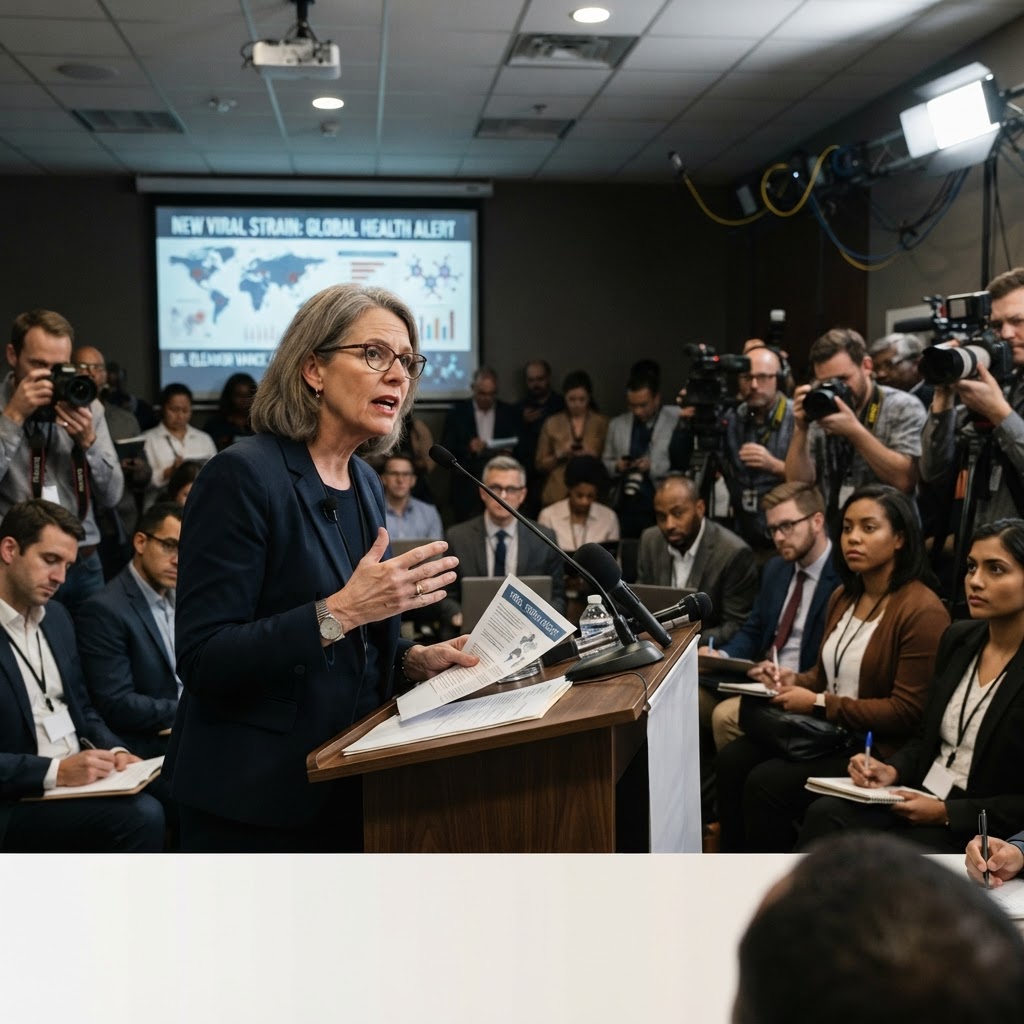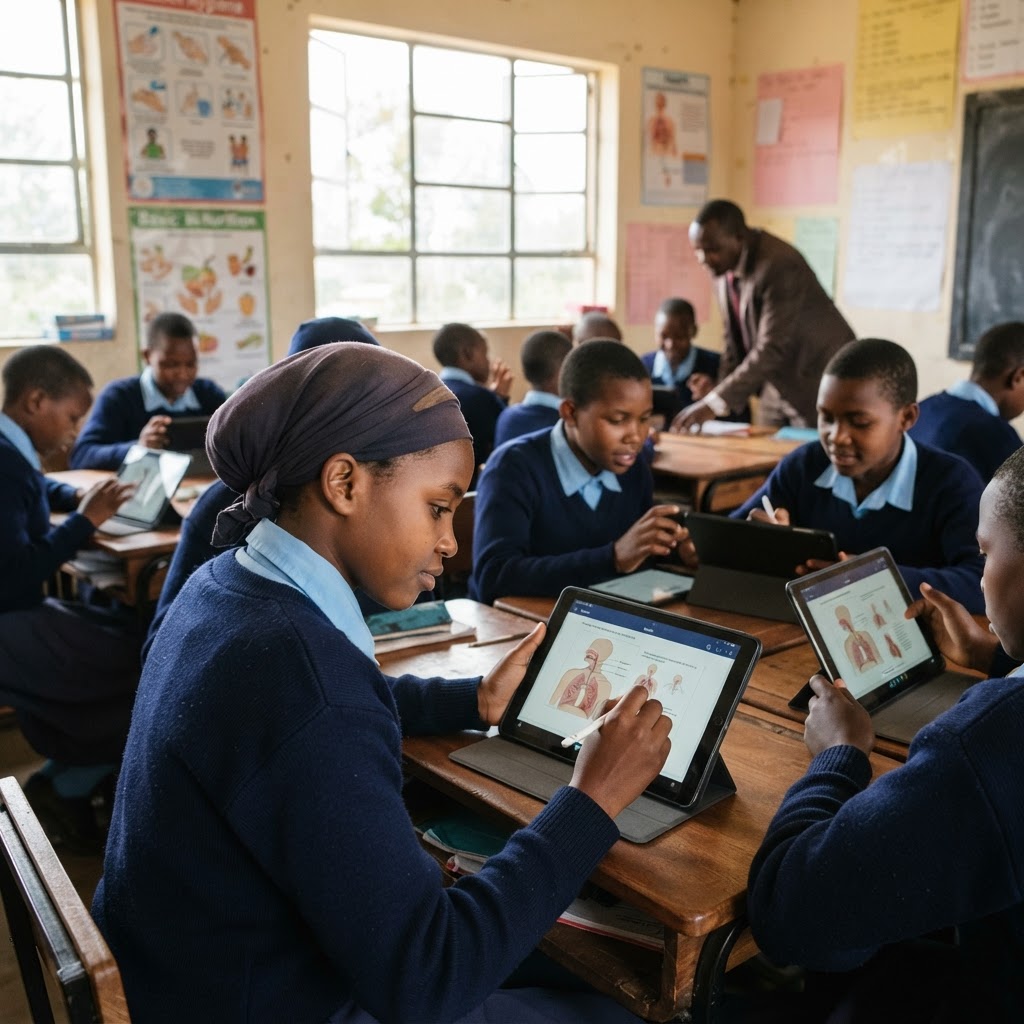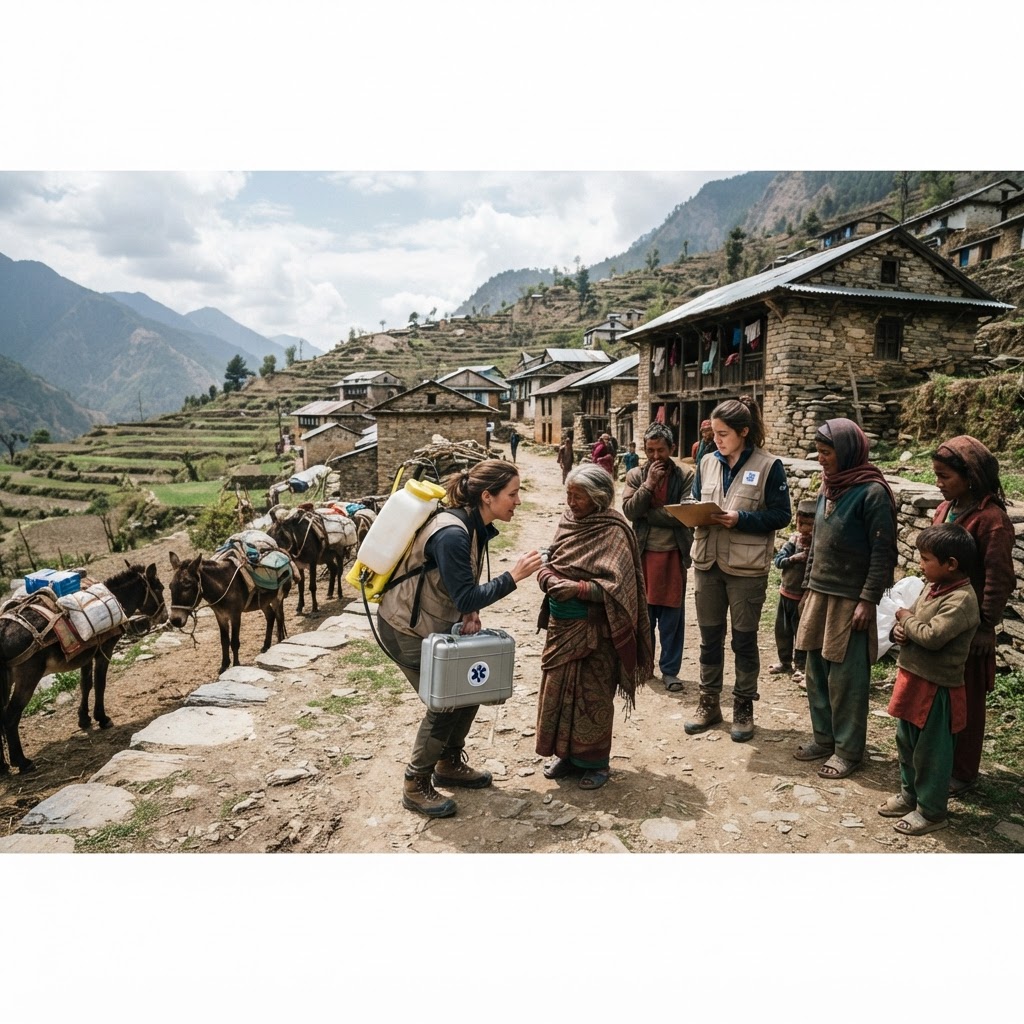
In what public health officials are calling a watershed moment for equitable healthcare, widespread immunization campaigns have officially penetrated some of the world's most geographically isolated settlements. After months of meticulous logistical planning, specialized cold-chain deployments, and collaborative community outreach, life-saving vaccines are finally arriving in remote river deltas, highland villages, and deep rural outposts that have traditionally languished on the fringes of national healthcare infrastructure.
The achievement marks a critical turning point in global health security. For decades, the so-called "last-mile" challenge has vexed epidemiologists and logistics coordinators alike. Delivering delicate pharmaceutical assets across rugged terrains lacking paved roads, reliable electrical grids, and conventional medical facilities has historically resulted in uneven immunization rates, leaving peripheral populations vulnerable to preventable disease outbreaks. The success of the current initiative, however, demonstrates that modern innovation paired with community-level trust can effectively dismantle these long-standing barriers.
To overcome the formidable environmental obstacles, distribution task forces have implemented an array of unconventional transport solutions. In mountainous enclaves where seasonal landslides render roads impassable, fleets of autonomous cargo drones have been deployed to ferry insulated vaccine payloads across deep gorges in a fraction of the time required by foot travel. In coastal and riverine zones, motorized canoes retrofitted with solar-powered refrigeration units navigate winding waterways to reach communities cut off from urban centers. Meanwhile, across vast arid expanses, all-terrain utility vehicles and traditional pack animals equipped with phase-change material coolers continue to serve as indispensable lifelines.
Advertisement

Central to this operational triumph is the technological evolution of the cold chain itself. Many modern vaccines require strict temperature ranges to maintain biochemical integrity, a requirement that previously disqualified areas without continuous power supplies. The deployment of next-generation portable cooling units—capable of maintaining stable internal environments for days using low-draw solar inputs or passive cooling technologies—has neutralized the threat of spoilage under extreme tropical heat and sub-zero conditions alike. Public health engineers have monitored these shipments in real-time, utilizing satellite-linked telemetry to track temperature variations and precise coordinates as batches move through uncharted corridors.
Yet, logistics represents only half of the equation. Healthcare leaders emphasize that reaching remote doorsteps is futile without community acceptance. Historical neglect, language barriers, and historical isolation have often fostered skepticism toward outside interventions. To address this delicate reality, public health ministries and non-governmental organizations have prioritized deep engagement with indigenous councils, village elders, and local faith leaders long before the first doses arrived.
In dozens of communities, localized healthcare workers—individuals drawn from the populations they serve—underwent intensive training to lead the education campaigns. By translating complex scientific principles into local dialects and culturally resonant frameworks, these practitioners have effectively dispelled misinformation and addressed ancestral concerns. Community dialogues conducted beneath village pavilions replaced generic mass-media broadcasts, fostering an environment where residents could voice apprehensions and receive transparent, respectful answers from neighbors they trust.
Dr. Elena Rostova, a senior logistics coordinator working alongside international health agencies, noted that the human infrastructure was far more delicate to construct than the physical supply lines. According to Rostova, dropping off thermal boxes from a helicopter accomplishes very little if the community views the medicine with suspicion. The true triumph, she observed, lies in the patience of the community facilitators who spent weeks listening to residents, answering questions about side effects, and honoring local traditions prior to opening a single vial.
The economic and social ramifications of these successful deliveries are profound. Remote agrarian and subsistence communities frequently operate with fragile economic safety nets; the incapacitation of even a small percentage of working adults due to vaccine-preventable illnesses can precipitate severe food insecurity and systemic poverty. By providing robust protection against chronic and acute infectious pathogens, immunization programs reinforce the domestic resilience of these communities, allowing schools to remain open and agricultural cycles to proceed uninterrupted.
Furthermore, frontline medical personnel stationed at rural clinics report an ancillary benefit: the revitalization of basic healthcare delivery. The infrastructure established for this targeted vaccine drive—including improved cold storage, upgraded satellite communications, and refreshed clinical training—is already being repurposed to deliver routine childhood immunizations, maternal health resources, and essential diagnostic tools. Clinics that previously operated with intermittent supplies now boast reliable links to provincial medical depots, elevating the standard of care far beyond the scope of a single campaign.
Despite the celebration, health policy analysts warn against premature complacency. Maintaining these gains requires sustained financial commitments and structural oversight. The logistical pathways established over recent months remain precarious, vulnerable to extreme weather events exacerbated by climate change, regional political instability, and the recurring threat of funding shortfalls. Independent monitors stress that governments must institutionalize these emergency networks into national health budgets rather than viewing them as temporary, donor-driven interventions.
There is also the pressing issue of booster regimens and multi-dose tracking. In nomadic and semi-nomadic populations, ensuring that individuals receive follow-up doses on specified schedules requires sophisticated, low-bandwidth data collection tools. In response, aid workers have turned to biometric verification systems and offline-first mobile applications that synchronize patient records to central databases only when health workers regain connectivity in regional administrative centers.
From an epidemiological standpoint, closing the gap in remote immunization is vital to the global common good. As long as pockets of unvaccinated populations remain anywhere in the world, the threat of viral mutation and subsequent re-emergence continues to imperil broader public health. Health security experts frequently reiterate the maxim that a collective defense is only as robust as its most isolated outpost. By bridging the chasm between metropolitan medical centers and distant hamlets, the global health community is taking decisive steps toward neutralizing reservoirs where infectious diseases might otherwise evolve unchecked.
As the current distribution phase concludes, planning is already underway to consolidate these gains into permanent healthcare corridors. The collaboration between international relief bodies, local municipal authorities, and community leaders has established a scalable blueprint for the future of humanitarian logistics. Where skepticism, rough geography, and technical limitations once combined to deny life-saving innovations to the world’s most vulnerable, modern delivery strategies have proved that geographical isolation need no...