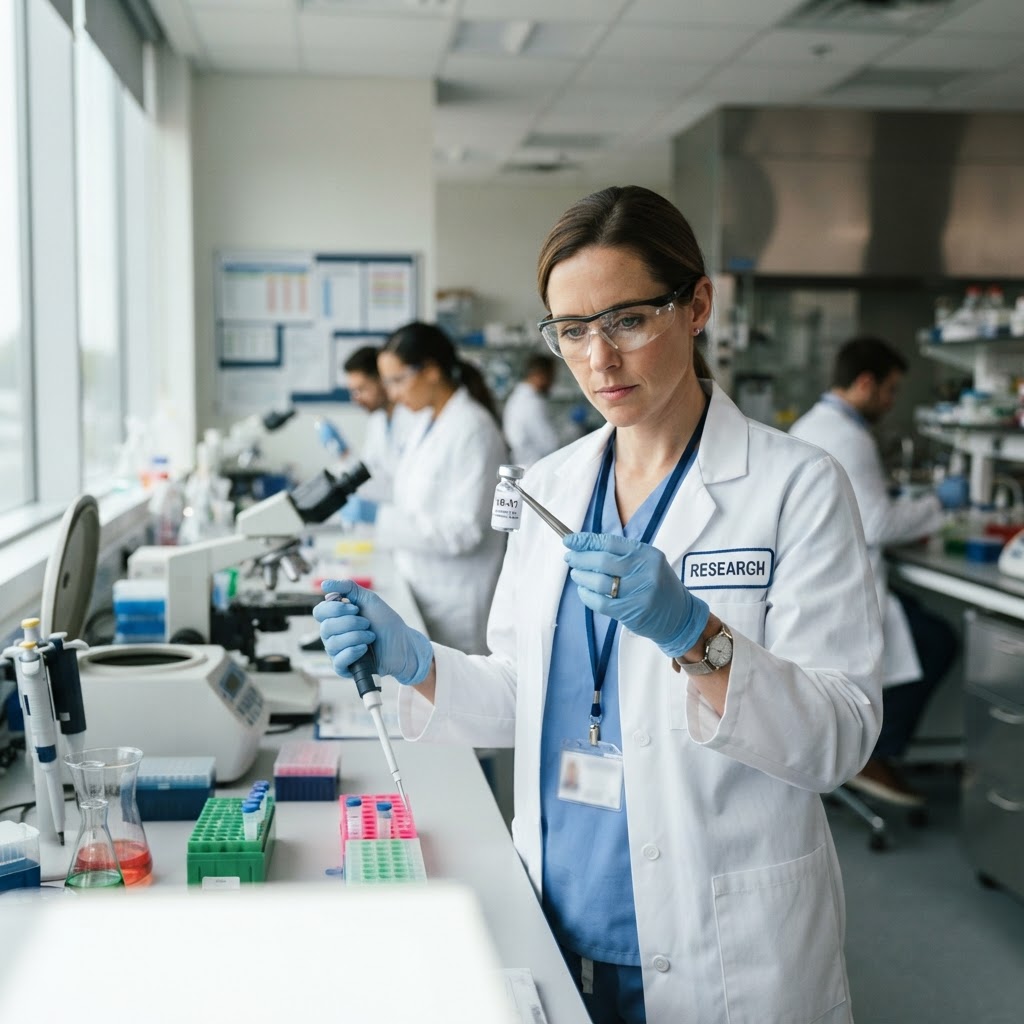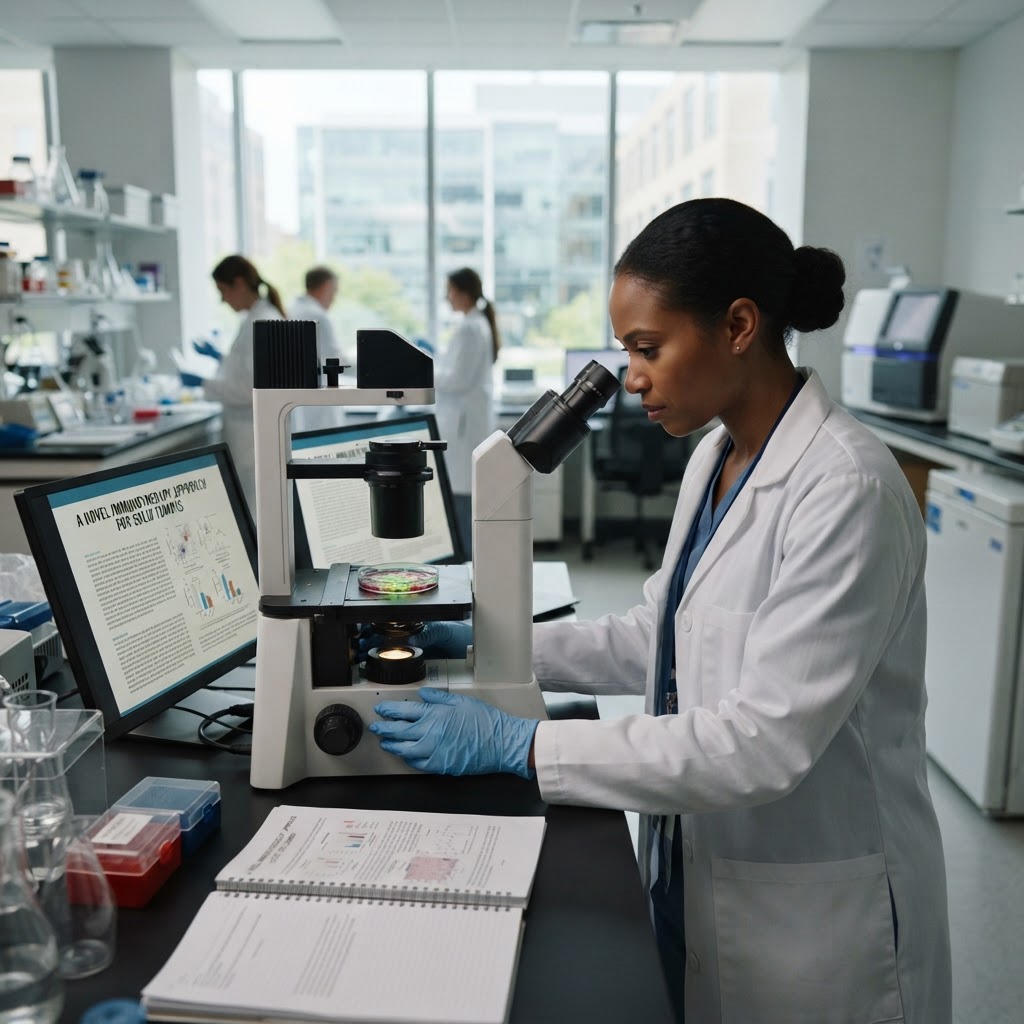
Introduction and Overview
In what international medical authorities are heralding as a monumental turning point in modern oncology, newly published multi-center clinical trials and translational research findings have revealed a profound breakthrough in cancer treatment. The findings demonstrate unprecedented efficacy in tackling previously refractory solid tumors through combined precision biological mechanisms, including next-generation antibody-drug conjugates (ADCs), targeted cellular immunotherapies, and molecular degradation agents. For decades, the global scientific community has chased the elusive goal of systematically neutralizing malignant neoplasms without inflicting severe systemic collateral damage on healthy tissues, yet late-stage malignancies have persistently managed to develop immune evasion pathways and biochemical resistance. This latest body of research offers tangible evidence that multi-targeted biological platforms can dismantle these protective microenvironments, dramatically extending progression-free and overall survival rates across several notoriously stubborn cancer types.
The scope of this breakthrough arrives at a crucial juncture in global health governance, marked by surging cancer incidence across both developing and industrialized economies. According to reports synthesized by major oncology institutions, new active substances and clinical pipeline initiations have surged, with solid tumors and rare malignancies commanding urgent attention across academic hospitals and biotechnology hubs. The new clinical trials emphasize the practical convergence of precision pharmacology, liquid biopsy diagnostics, and genetically re-engineered cytotoxic vehicles designed to seek out and eradicate cellular aberrations with molecular accuracy. Rather than viewing cancer merely as a localized anatomical mutation, this paradigm treats malignant expansion as a systemic network malfunction, employing targeted interventions that outmaneuver the tumor's genetic instability and adaptive defenses.
Beyond the clinical laboratories, the real-world significance of these findings cannot be overstated for millions of vulnerable families, oncology patients, and overburdened healthcare systems worldwide. Chronic oncological care has historically imposed crippling financial distress, prolonged hospitalizations, and profound emotional tolls on households navigating toxic regimens such as conventional non-selective systemic chemotherapies and high-dose radiotherapy. By significantly improving the therapeutic window and offering prolonged remissions for diseases like triple-negative breast cancer, gastroesophageal carcinomas, and recalcitrant pancreatic adenocarcinomas, this breakthrough fundamentally shifts the clinical objective from palliative containment toward deep, durable remission. Frontline clinicians and research leaders emphasize that while the scientific journey remains continuous, the latest data represent a decisive validation of decades of basic science research translated successfully into bedside applications.
Advertisement

Furthermore, this scientific milestone illustrates the transformative potential of globalized clinical collaboration, uniting academic investigators, biotechnology consortia, regulatory bodies, and philanthropic organizations across multiple continents. By integrating real-time genomic profiling with computationally optimized trial designs, researchers have succeeded in identifying hyper-specific tumor markers that had previously eluded standard clinical detection methods. As health ministries, patient advocacy organizations, and regulatory authorities digest these landmark findings, the collective focus has rapidly expanded from basic bench science validation to the urgent operational tasks of manufacturing scalability, equitable global distribution, and clinical trial diversification to ensure that the promise of modern molecular oncology reaches every community without disparity.
Background and Context
To fully grasp the magnitude of the current breakthroughs, it is essential to trace the historical evolution of clinical cancer care over the past century. For decades, the standard foundational pillars of oncology rested upon surgical resection, broad-spectrum cytotoxic chemotherapy, and external beam radiation therapy—often grimly described by early oncologists as 'slash, burn, and poison.' While these foundational modalities yielded life-saving remissions in localized hematological conditions and early-stage solid tumors, their inherent lack of biological specificity meant that healthy multiplying cells suffered catastrophic bystander damage alongside malignant targets. In late-stage or metastatic disease, standard chemotherapy almost universally encountered the brick wall of acquired chemoresistance, forcing oncologists to escalate toxicity with diminishing clinical returns.
The dawn of the molecular biology revolution in the late 1990s and early 2000s catalyzed a profound paradigm shift toward precision targeted therapies, inaugurated by landmark molecular agents such as imatinib for chronic myeloid leukemia and trastuzumab for HER2-amplified breast cancer. These historical successes validated the hypothesis that inhibiting specific mutated oncogenic kinases could shut down cancer signaling pathways without destroying unaffected tissues. However, monotherapies targeting single genetic mutations revealed a critical limitation: cancers frequently evolved secondary resistance mutations or hyper-activated alternative bypass pathways, causing tumors to rebound aggressively after initial periods of disease stability.
The subsequent decade ushered in the modern era of cancer immunotherapy, sparked by the foundational discovery of immune checkpoint receptors such as PD-1, PD-L1, and CTLA-4, which malignant cells co-opt to evade host cytotoxic T-cell detection. Groundbreaking checkpoint inhibitors empowered the human immune system to recognize and attack malignant cells, yielding dramatic, long-lasting remissions in diseases that had long been deemed terminal, such as metastatic melanoma and advanced non-small cell lung cancer. Concurrently, cellular therapies such as chimeric antigen receptor (CAR) T-cell treatments proved revolutionary for hematological malignancies, demonstrating that patient immune cells could be extracted, genetically engineered to target specific antigens, and re-infused with curative intent. Yet, despite these spectacular triumphs, the vast majority of solid tumors—representing more than eighty percent of human cancers—remained impervious 'cold' immunological sanctuaries, sheltered by dense stromal barriers and immunosuppressive signaling.
Over recent cycles, the clinical research trajectory documented by initiatives like those tracked by the AACR 2026 meeting analysis and global oncology intelligence reports has reflected rapid expansion in trial volume and therapeutic complexity. Between 2020 and 2024, the biopharmaceutical sector launched an average of twenty-six new active oncological substances annually, marked by dramatic surges in clinical pipeline starts in both the United States and international hubs like China, as documented by Key Findings from Recent Oncology Clinical Trials. The accumulation of empirical lessons from failed monotherapies, combined with cutting-edge advances in spatial transcriptomics, single-cell analysis, and targeted protein degradation, set the foundation for the current breakthrough, transforming how clinicians view tumor ecology and cellular vulnerability.
Key Developments
The core of this latest oncology breakthrough lies in a multi-pronged wave of clinical trial outcomes that demonstrate definitive efficacy against historically treatment-refractory solid tumors. Foremost among these developments is the profound maturation of antibody-drug conjugates (ADCs) that function as miniature molecular guided missiles, combining high-affinity monoclonal antibodies directed against tumor-specific antigens with potent cytotoxic payloads linked via ultra-stable, tumor-cleavable biochemical bridges. In clinical evaluations, novel ADCs such as datopotamab deruxtecan have shown statistically significant improvements in both overall and progression-free survival in patients presenting with aggressive metastatic triple-negative breast cancer, a subtype that has long resisted conventional pharmacological intervention. The engineering precision of these contemporary payloads ensures that cytotoxic agents are released almost exclusively within the interior lysosomes of malignant cells, sparing systemic circulation from devastating toxicity.
Simultaneously, the research community has celebrated substantial leaps forward in extending adoptive cellular therapy and tumor-infiltrating lymphocyte (TIL) protocols into the challenging arena of solid tumors. Recent clinical trials evaluating re-engineered CAR T-cell therapies have reported marked preliminary antitumor activity and tumor regression in metastatic gastric and gastroesophageal junction cancers, domains where conventional cellular approaches previously failed due to antigen heterogeneity and hostile tumor microenvironments. Concurrently, long-term observational registries have confirmed that TIL therapies are eliciting durable, multi-year complete responses in advanced melanoma, proving that optimizing endogenous immune cell extraction, ex-vivo expansion, and co-stimulation can permanently shift host-tumor dynamics toward immune-mediated clearance.
Another defining element of the recent wave of discoveries revolves around the clinical conquering of KRAS mutations and notoriously impenetrable malignancies like pancreatic ductal adenocarcinoma. Long considered completely 'undruggable' by medicinal chemists due to its shallow molecular binding pockets and rapid cycling dynamics, KRAS is now being systematically inhibited by next-generation allosteric binders and targeted immunotherapeutic combinations. Phase III trials, including studies evaluating metabolism-modulating and supportive combinations alongside standard-of-care backbones, are showing unprecedented therapeutic synergy. Multidisciplinary oncology centers are integrating these biological inhibitors with personalized neoantigen mRNA cancer vaccines, stimulating customized host cytotoxic T-cell responses against individual patient-specific somatic mutational fingerprints.
Underpinning these therapeutic achievements is the clinical incorporation of advanced molecular diagnostics, particularly circulating tumor DNA (ctDNA) assays and ultra-sensitive liquid biopsies. By monitoring minute fragments of shedding tumor DNA in patient bloodstreams, clinicians can now track sub-clonal resistance mutations weeks or months before macro-structural disease recurrence becomes visible on standard radiological imaging. This diagnostic capability allows physicians to adapt therapeutic regimens dynamically in real time, switching payload mechanisms before full clinical relapse occurs. Key findings across the global trial landscape can be summarized across several central scientific pillars:
- Precision Molecular Targeting: Widespread deployment of next-generation ADCs, including datopotamab deruxtecan, providing dramatic progression-free survival gains in triple-negative breast cancer and recalcitrant carcinomas.
- Expansion of Cellular Immunotherapies: Successful translation of CAR T-cell and TIL therapies into solid tumors, particularly gastroesophageal junction cancers and refractory melanoma.
- Overcoming Undruggable Targets: Direct inhibition of KRAS-driven pathways combined with personalized neoantigen vaccines, establishing new hope for pancreatic adenocarcinoma management.
- Dynamic Liquid Biopsy Integration: Comprehensive utilization of ctDNA assays for real-time monitoring of minimal residual disease, enabling early therapeutic interception.
- Multi-modal Synergies: Rational combinations of targeted protein degraders, immune checkpoint inhibitors, and stress-granule disruptors designed to overcome microenvironmental drug resistance.
Expert Analysis and Perspectives
Leading figures within academic oncology and molecular biology emphasize that the latest breakthroughs reflect a fundamental shift in scientific philosophy, moving past isolated target hunting toward holistic systems biology. Scientists at international oncology gatherings point out that the integration of artificial intelligence into molecular modeling and single-cell transcriptomics has unlocked cellular insights that were unimaginable a decade ago. By analyzing how tumor-infiltrating lymphocytes interact with hostile stromal barriers at spatial resolution, researchers have systematically mapped out how solid tumors suppress endogenous immune surveillance, allowing medicinal chemists to construct multifaceted therapeutic counter-strategies.
"What we are witnessing today is not merely an incremental adjustment in dosing or systemic efficacy, but a monumental convergence of molecular engineering, computational immunology, and personalized medicine. For decades, solid tumors operated behind impenetrable biological fortresses, yet our latest multi-targeted platforms and cellular therapies are proving that even the most immunosuppressive microenvironments can be systematically deconstructed and neutralized."
Oncologists specializing in recalcitrant abdominal malignancies note that the field is fundamentally rewriting the clinical narrative for conditions once deemed automatic death sentences. Dr. Azriel Hirschfeld, a prominent clinical oncologist specializing in personalized pancreatic cancer care, has underscored the indispensable role of multidisciplinary tumor boards and advanced molecular profiling in maximizing these scientific breakthroughs. Speaking on the integration of cutting-edge research into frontline practice, Dr. Hirschfeld and peer leaders emphasize that combining genomic assays with tailored biological inhibitors represents the true future of compassionate, evidence-based clinical medicine, ensuring that treatments are matched precisely to the patient's biological vulnerabilities.
"The clinical reality of managing complex malignancies like pancreatic adenocarcinoma has undergone a seismic shift due to these targeted biological interventions. By marrying ultra-precise KRAS inhibition and personalized mRNA neoantigen vaccines with real-time ctDNA liquid biopsy monitoring, we are no longer shooting blindly in the dark; we are tailoring each therapeutic intervention directly to the evolutionary biology of the patient's individual tumor."
From the perspective of clinical research infrastructure, senior scientific leadership has drawn attention to the imperative of bridging the gap between laboratory discovery and equitable human application. Medical directors at global cancer foundations point out that while therapeutic modalities such as multispecific antibodies and cell therapies represent over a third of ongoing clinical trials, systemic recruitment barriers continue to constrain clinical progress. Regulatory and health equity specialists argue that clinical data must accurately reflect broader real-world demographics to guarantee universal therapeutic reliability across diverse patient populations.
"Scientific breakthroughs in a Petri dish or a highly restricted academic phase I trial mean very little if they cannot be safely, equitably, and reliably scaled to the broader human population. With only about seven percent of cancer patients historically participating in clinical trials, the oncology community must fundamentally dismantle regulatory and geographical barriers to make decentralized trial access a permanent global standard."
Furthermore, chemical biology pioneers highlight the rapid emergence of novel targeted protein degraders and ferroptosis-inducing compounds as critical adjuncts to current therapies. These emerging compounds, documented across peer-reviewed channels such as Nature Cancer Therapy research updates, demonstrate that breaking down intracellular structures like stress granules can dismantle the intrinsic chemoresistance of stubborn cancer stem cells. Experts universally agree that the coming years will be defined by rational, highly customized cocktail regimens tailored to target multiple biochemical pathways concurrently, precluding the emergence of treatment-resistant tumor clones.
Impact and Implications
The multifaceted implications of these oncology breakthroughs extend far beyond the walls of specialized research laboratories, directly impacting global healthcare delivery systems, national pharmaceutical policies, and broader socio-economic structures. In clinical hospital settings, the widespread integration of highly targeted ADCs and individualized cellular immunotherapies promises to fundamentally alter outpatient workflows and reduce acute hospital bed utilization. Because these precision agents inflict significantly less systemic toxicity compared to conventional high-dose chemotherapies, patients frequently experience fewer debilitating adverse events, reducing emergency room visits for severe neutropenic fevers, systemic sepsis, and organ failure.
From an economic standpoint, the healthcare industry faces a complex dual reality characterized by high upfront research and development costs juxtaposed against substantial long-term systemic savings. While novel cellular therapies and personalized biologic drugs carry substantial price tags upon market introduction, their capacity to deliver durable, multi-year remissions can alleviate the chronic financial burdens of perpetual, ineffective palliative therapies. Healthcare economists and national insurance payers are actively revising actuarial models to accommodate these high-efficacy therapies, exploring innovative value-based reimbursement frameworks and risk-sharing arrangements between biopharmaceutical manufacturers and national healthcare systems.
For biotechnology and pharmaceutical industries, these clinical triumphs are triggering massive strategic realignments of capital investments and pipeline assets. Venture capital and corporate research funding are rapidly pivoting away from non-selective cytotoxic chemical synthesis toward complex biological engineering, targeted protein degradation platforms, and synthetic immune-receptor development. Global supply chains are simultaneously being reconfigured to handle the specialized cold-chain logistics, decentralized cell processing hubs, and sterile viral-vector manufacturing facilities required to support patient-specific cell products. This industrial transformation is fostering deep partnerships between academic centers, cloud-computing providers specializing in AI protein design, and clinical manufacturing networks.